
Home Renovation Ideas That Support Better Respiratory Health

A beautiful home should also help you breathe easier, not trap dust and stale air inside every room. While browsing inspiration from DEAVITA.com, many homeowners realize that smart renovation choices can improve comfort while supporting healthier indoor air for years to come. Think of your house like a pair of lungs. Every material, vent, and corner influences the air moving through it. Small upgrades often produce noticeable improvements, especially for families dealing with allergies, asthma, or frequent irritation.

hardwood

Reduce Indoor Allergens With Healthier Flooring

Carpet feels cozy, but it also catches pollen, pet dander, and fine dust that can linger beneath the surface. Replacing worn carpeting with hardwood, luxury vinyl, cork, or tile creates a floor that is much easier to clean. A quick sweep removes particles instead of letting them settle for weeks. Low-VOC flooring materials also help reduce unwanted chemical odors after installation. Pair the new flooring with washable rugs that can be cleaned regularly. That combination keeps maintenance simple without sacrificing comfort. Cleaner floors often mean cleaner indoor air.

Improve Lung Health Through Better Home Ventilation

Fresh air deserves an invitation inside. Bathrooms, kitchens, and laundry rooms produce moisture that encourages mold if humidity remains trapped. Installing stronger exhaust fans helps move damp air outside before it becomes a problem. Adding trickle vents, opening windows during mild weather, or upgrading an older HVAC system also improves airflow. Better circulation reduces lingering odors and airborne particles. Every room feels fresher because stale air has fewer places to hide. Your home starts working with you instead of against you.

Reduce Exposure to Harmful Indoor Chemicals

Fresh paint can brighten a room overnight, but some products release chemicals into indoor air long after the brush is cleaned. Low-VOC and zero-VOC paints dramatically reduce those emissions while delivering attractive finishes. The difference is noticeable almost immediately. Cabinets, adhesives, and sealants deserve the same attention. Selecting products with lower emissions creates a healthier environment during and after renovation. Reading product labels takes only a minute, yet it can influence indoor comfort for many years. That’s a smart trade every homeowner can appreciate.

house

Prevent Mold to Protect Your Respiratory Health

Water damage rarely announces itself with flashing lights. Tiny leaks behind walls or beneath sinks gradually create damp conditions where mold thrives. Renovating damaged areas promptly helps stop problems before they spread into larger repairs. Adding proper insulation around pipes and sealing roof leaks also keeps moisture under control. A quality dehumidifier provides extra help in naturally humid spaces like basements. Dry surfaces make mold growth far less likely. That’s good news for both your house and your lungs.

Improve Respiratory Health With Better Indoor Air Filtration

A high-quality HVAC filter works like a silent teammate every day. It captures airborne particles before they continue circulating throughout the house. Replacing filters on schedule keeps the system operating efficiently while supporting cleaner indoor conditions. Simple finishing touches also matter. Smooth countertops, washable wall finishes, and easy-to-clean shelving collect less dust than textured materials. …


Continue Reading
The Importance of Reading Labels on Kratom Capsule Products

Understanding what goes into any supplement is essential for making informed choices, especially when it comes to products like kratom capsules. Labels provide important details on ingredients, dosage, sourcing, and safety guidelines, helping consumers evaluate product quality and suitability. When exploring options such as kratom capsules minneapolis, carefully reviewing labeling ensures that buyers know exactly what they are purchasing and how it should be used. Clear and accurate information also supports responsible consumption and helps avoid potential risks associated with unclear or misleading products. This article explains why reading labels on kratom capsule products is a crucial step for informed and confident decision-making.

Identifying Ingredient Composition and Purity

Kratom capsule labels often provide insight into the composition of the product, including the type of kratom used and whether additional substances are present. This information helps distinguish between products that contain pure kratom powder and those that include fillers or additives. Understanding ingredient composition helps you understand how the product is formulated and how it may differ from other options on the market. Labels that clearly outline contents contribute to a more informed evaluation process by reducing ambiguity about what is included in each capsule.

The Role of Dosage Information and Serving Size

medicine Dosage information presented on product labels helps define how the capsules are intended to be used. This includes details such as the amount of kratom per capsule and the recommended serving size. Clear dosage labeling provides a structured reference point for understanding product strength and concentration. Without this information, it becomes difficult to compare one product to another. The presence of accurate dosage details supports consistency in how the product is understood and evaluated within the broader market.

Regulatory Context and Label Transparency

The labeling of kratom products operates within a regulatory context that may vary depending on location. Transparent labeling reflects manufacturers’ alignment with applicable guidelines and standards. This includes providing accurate product descriptions, avoiding misleading claims, and presenting information clearly. Regulatory awareness influences how labels are structured and what information is included. When labels meet transparency expectations, they contribute to a more organized marketplace where consumers can interpret product details with greater clarity.

Supporting Informed Consumer Awareness

mobile phone Reading labels plays a key role in supporting informed consumer awareness. When individuals take the time to review product details, they gain a clearer understanding of what they are purchasing and how it is presented. This awareness extends beyond individual products and contributes to a broader understanding of how kratom capsules are marketed and categorized. Consistent engagement with product labeling encourages a more thoughtful evaluation, where decisions are based on accessible, verifiable information.



The importance of reading labels on kratom capsule products lies in the clarity and structure they provide. Labels communicate essential information about composition, dosage, and regulatory alignment, shaping how products are understood within the market. By focusing on transparent labeling, consumers engage with products more informatively. This process highlights the role of accurate information in supporting awareness and understanding within the evolving landscape of kratom …

Continue Reading
The Role of Accessibility Features in Senior Fitness

Maintaining physical activity is essential for seniors, but mobility challenges and health limitations can make traditional exercise difficult. Accessibility features in fitness programs, from adaptive equipment to tailored class formats, ensure that all residents can participate safely and effectively. These considerations are especially important in communities offering single-occupancy senior housing arrangements, where residents may have unique needs and require individualized support. By integrating accessibility into fitness routines, facilities promote independence, confidence, and overall wellbeing. Understanding the role of these features highlights how thoughtful design and programming can encourage consistent activity, helping seniors maintain strength, flexibility, and quality of life well into their later years.

Supporting Safe and Confident Movement

Accessibility features help seniors move with confidence instead of caution. Handrails, non-slip flooring, and stable seating reduce fear of falling, which is one of the biggest obstacles to participation. When safety is built into the environment, seniors are more willing to try new movements and maintain proper form. Clear visual markers and spacious layouts also help reduce disorientation. These details may seem small, but they create a sense of control. Feeling steady encourages regular participation, and regular involvement leads to better strength, balance, and overall mobility over time.

Improving Participation Through Inclusive Design

Accessibility features also influence participation by making fitness spaces feel welcoming rather than intimidating. Clear signage, wide walkways, and logical layouts reduce confusion and stress. Visual and auditory cues help guide movement sessions smoothly. Group classes benefit from inclusive design because participants can follow along without feeling singled out. When environments support different abilities equally, seniors feel more comfortable joining and returning. Inclusion encourages consistency, which matters more than occasional effort. A well-designed space communicates that fitness is for everyone, regardless of age or mobility level.

Adapting Equipment to Physical Limitations

woman

Fitness equipment designed with accessibility in mind allows seniors to exercise without unnecessary strain. Adjustable resistance levels, supportive backrests, and easy grip handles accommodate different strength and joint ranges. Seated exercise options help those with limited standing endurance remain active. Simple-to-use equipment reduces frustration and builds confidence. When seniors can adjust intensity comfortably, they stay engaged longer and avoid overexertion. Adapted equipment respects physical limits while still encouraging progress. That balance helps seniors focus on movement quality rather than worrying about discomfort or injury.

Accessibility features are not optional extras in senior fitness. They are essential tools that support safety, confidence, and long-term participation. By reducing physical and mental barriers, these features feel achievable and enjoyable. Seniors benefit from equipment and spaces that adapt to their needs rather than forcing them to adapt to rigid setups. When accessibility is prioritized, fitness becomes part of daily life instead of a challenge to overcome. This approach supports healthier aging by encouraging consistent movement, stronger independence, and a more positive relationship with physical activity.…

Continue Reading
Why Muscle Tone Depends More on Recovery Than Reps

For years, fitness culture has pushed a simple message: more reps, more sets, more sweat equals better results. If you want muscle tone, you grind harder and longer. While effort absolutely matters, this mindset leaves out a crucial piece of the puzzle. Muscle tone isn’t built during workouts alone—it’s shaped just as much by what happens afterward. Recovery is where real changes take place, and ignoring it can stall progress faster than skipping the gym altogether.

Muscle Tone Is Built Outside the Gym

muscleWhen you lift weights or challenge your muscles, you’re actually creating tiny amounts of damage in the muscle fibers. That might sound bad, but it’s exactly what stimulates growth. The important part is what comes next. During rest, your body repairs those fibers and makes them stronger and more defined. Without enough recovery time, that repair process never fully finishes, which means tone development slows or stops entirely.



Energy, Recovery, and Sustainable Results

One overlooked benefit of recovery is how much it impacts daily energy. When muscles are allowed to rest, your nervous system also gets a break, which improves coordination, motivation, and endurance. This is why activities that naturally increase energy and muscle tone often balance movement with restoration, rather than focusing solely on intensity. Recovery supports consistency, and consistency is what leads to visible, lasting muscle tone.

The Hidden Cost of Chasing More Reps

Doing more reps can feel productive, especially when soreness is treated as a badge of honor. But constantly pushing without rest often leads to fatigue, inflammation, and declining performance. Muscles that are always tired can’t contract as efficiently, which affects both strength and appearance. Over time, excessive volume without recovery can even cause muscle breakdown, making it harder to achieve the toned look many people are working toward.

Sleep: The Most Underrated Training Tool

Sleep might not feel like part of your workout plan, but it’s one of the most powerful recovery tools you have. During deep sleep, your body discharges growth hormone, repairs muscle tissue, and restores energy stores. Poor sleep disrupts this process, making muscles slower to recover and more prone to injury. No amount of extra reps can compensate for chronic sleep deprivation when it comes to muscle tone.

Active Recovery Still Counts as Progress

stretching

Recovery doesn’t always mean complete rest. Light movement like walking, stretching, yoga, or mobility work increases blood flow and helps muscles heal faster. These low-intensity days reduce stiffness while keeping your body engaged. They also help prevent the mental burnout that comes from nonstop high-intensity training. When recovery is built into your routine, workouts become more effective instead of more exhausting.

Listening to Your Body Builds Better Tone

Muscle tone improves fastest when training stress and recovery are balanced. Some days your body can handle heavier loads, and other days it needs rest. Learning to listen to signals like persistent soreness, low energy, or lack of motivation helps prevent overtraining. Progress isn’t linear, and respecting recovery allows your body to adapt rather than …

Continue Reading
What Happens During a Comprehensive Dental Examination?

A comprehensive dental examination is more than a quick look at your teeth and a polite reminder to floss. ClearWave Dental & Aesthetics looks at it as a detailed assessment designed to catch problems early, track changes over time, and protect long-term oral health. Many issues, such as decay, gum disease, or bite problems, develop quietly before pain shows up. This type of exam creates a full picture of what is happening in your mouth, not just what is visible at a glance. Knowing what to expect can make the appointment feel more comfortable and less mysterious, especially for patients who have not had a thorough dental check-up in a while.

Review of Dental and Medical History

The examination usually begins with a review of your dental and medical history. Your dentist asks about past procedures, current symptoms, medications, and lifestyle habits that may affect oral health. This step matters because conditions like diabetes, stress, or certain medications can influence gum health and healing. Changes since your last visit are noted so trends can be tracked over time. Even small details, such as jaw discomfort or sensitivity, help guide the rest of the exam. This conversation sets the context and ensures that findings are interpreted accurately rather than in isolation.

Visual Examination of Teeth and Gums

Next comes a detailed visual inspection of the teeth, gums, and surrounding tissues. The dentist checks for cavities, worn enamel, cracks, and signs of gum inflammation or recession. Gum pockets may be measured to assess gum health and detect early periodontal issues. The tongue, cheeks, and palate are also examined for unusual changes. This part of the exam focuses on early detection, since many dental problems are easier to manage when caught early. A careful visual check often reveals subtle warning signs that patients may not notice on their own.

Diagnostic Imaging and Bite Assessment

X-rays are commonly taken during a comprehensive exam to reveal issues hidden below the surface. These images help identify decay between teeth, bone loss, impacted teeth, or infections near the roots. Additionally, the dentist assesses how your teeth come together when you bite. Bite alignment affects chewing comfort and long-term tooth wear. Signs of grinding or jaw strain may also be noted. By combining imaging with bite analysis, dentists gain insight into both current problems and potential future risks that may need monitoring or treatment.


A comprehensive dental examination is a layered process that blends conversation, observation, and diagnostic tools. Each step builds on the last to form a clear understanding of your oral health. Rather than focusing on a single issue, the exam looks at patterns, risks, and changes over time. This approach enables dentists to recommend care that is proactive rather than reactive. For patients, knowing what happens during the exam removes uncertainty and encourages regular visits. Consistent comprehensive exams support healthier teeth, stronger gums, and fewer surprises down the road.…

Continue Reading
Healthy Retirement Starts at Home: How Aging in Place Supports Long-Term Well-Being

Retirement marks a major life transition, and for many people, it’s a chance to slow down, refocus on health, and enjoy the comfort of familiar routines. Where you choose to spend these years matters more than you might think. Aging in place—remaining in your own home as you grow older—has become an increasingly popular option for retirees who value independence, stability, and quality of life. With the right mindset and preparation, home can be the foundation for a healthier, happier retirement.

Staying Put, Staying Well

old woman Many retirees discover why remaining in a familiar environment can have a powerful effect on both physical and emotional health. Living at home means fewer disruptions to daily habits, which supports better sleep, consistent nutrition, and regular movement. Familiar surroundings also reduce stress and anxiety, making it easier to focus on wellness rather than constant adjustment. This sense of ease often translates into better long-term health outcomes.

Emotional Comfort and Mental Health

Home is more than just a building; it’s a collection of memories, routines, and personal touches that provide emotional grounding. Aging in place allows retirees to stay connected to the spaces where life happened, which can be deeply comforting. This emotional stability supports mental health by reducing feelings of loneliness, depression, and disorientation. Being surrounded by familiar sights and sounds can help maintain cognitive function and a positive outlook on life.

Independence Builds Confidence

One of the biggest advantages of aging in place is the ability to remain in control of daily life. Choosing when to wake up, what to eat, and how to spend the day reinforces a sense of independence that’s vital for self-esteem. This autonomy encourages retirees to stay active and engaged, both physically and socially. Even small decisions, when made independently, contribute to a stronger sense of purpose and confidence.

A Home Designed for Changing Needs

Aging in place doesn’t mean ignoring the realities of getting older. Instead, it’s about adapting the home to support long-term comfort and safety. Simple changes like improved lighting, safer flooring, or accessible layouts can make a big difference over time. These thoughtful adjustments allow retirees to continue using their space comfortably, reducing the risk of injury and making daily activities easier and more enjoyable.

Community Connections Matter

talking

Staying at home often means staying connected to a familiar community. Neighbors, local shops, and nearby parks create a social network that supports well-being. These everyday interactions help retirees remain socially active without the pressure of building entirely new relationships. A strong sense of community encourages movement, conversation, and participation, all of which play an important role in healthy aging.

Supporting Physical Health at Home

Aging in place can naturally encourage healthier routines. Home-cooked meals are easier to manage, daily walks feel safer on known streets, and regular schedules become second nature. Being at home also makes it simpler to manage medical appointments, medications, and wellness practices. Over time, these consistent habits support better mobility, heart health, and overall physical resilience.

Healthy retirement doesn’t require a …

Continue Reading
How Cloud Technology is Revolutionizing Gym Management

The fitness industry is rapidly transforming, and cloud technology has emerged as a pivotal force in modern gym management. With traditional systems often cumbersome and fragmented, gyms now have the chance to streamline operations, enhance member experiences, and access real-time data from anywhere. Cloud-based platforms offer scalability, flexibility, and automated solutions that simplify everything from membership management to class scheduling. Platforms like the YT channel of Clubfit provide demonstrations and tutorials that help gym owners and staff understand how these tools can optimize daily operations. Embracing cloud technology allows fitness centers to operate efficiently, reduce administrative burdens, and focus on giving value to members, ultimately supporting sustainable growth.

Streamlined Membership and Billing Management

One of the most significant benefits of cloud-based gym software is its ability to simplify membership and billing processes. Traditional methods often involve manual record-keeping, which is time-consuming and prone to errors. Cloud platforms centralize member information, automate invoicing, and support recurring payments, reducing administrative workload. Members can manage their subscriptions, update personal information, and make payments online, creating a seamless experience. For gym owners, real-time access to financial data and automated reporting allows for accurate tracking of revenue streams and member activity, improving decision-making and financial planning.

Real-Time Analytics and Performance Tracking

analytics

Cloud-based gym management platforms provide powerful analytics that enable gyms to monitor operations and member engagement in real-time. Data on attendance, membership growth, and class popularity helps owners make informed decisions about marketing strategies, staffing, and program development. Performance tracking extends to members, allowing them to monitor workouts, progress, and personal milestones. This data-driven approach enhances accountability and motivation, encouraging consistent participation and long-term retention. By leveraging analytics, gyms can identify areas for improvement, respond proactively to member needs, and continuously refine their offerings for optimal results.

Enhanced Class Scheduling and Staff Coordination

Cloud technology offers advanced scheduling tools that make coordinating classes, trainers, and resources effortless. With centralized software, gyms can create dynamic timetables, manage instructor availability, and adjust sessions based on member demand. Members can book classes online, receive automated reminders, and avoid scheduling conflicts, which boosts participation rates and satisfaction. For staff, having a unified platform reduces miscommunication and improves workflow efficiency. Gym owners can quickly monitor class attendance, optimize resource allocation, and analyze trends to better meet member preferences, ultimately creating a more organized and responsive facility.

Remote Access and Integration

remote gym access

One of the most transformative aspects of cloud technology is the ability to access gym management tools from anywhere. Whether at the facility, home, or on the move, staff can update records, monitor attendance, and adjust schedules without being physically present. Integration with mobile apps, wearable devices, and digital communication tools further enhances convenience, allowing members to engage with the gym ecosystem effortlessly. Remote access ensures continuity of operations during disruptions and enables gyms to scale services across multiple locations seamlessly. By connecting systems and data streams, cloud platforms create a cohesive, efficient environment for both staff and members.

Cloud technology is fundamentally reshaping the way gyms operate, offering …

Continue Reading
Never Fear the Dentist Again: How to Choose a Checkup That Feels Stress-Free

If you’ve ever sat in a waiting room feeling like you’re about to face a firing squad, you are absolutely not alone. Many people put off dentist appointments because anxiety takes the wheel. The right checkup can flip that script. And with modern approaches, there’s zero need to feel trapped in old habits.

Understanding What Triggers Stress

Dental anxiety usually has a source. Sometimes it’s a rough childhood visit. Sometimes it’s the mystery of what’s happening inside your mouth. And sometimes it’s simply the noise of the tools. Identifying your personal triggers helps you pick a practice that speaks to your comfort needs. The good news is that many clinics now shape their process around calmness. They focus on clear communication so you’re never stuck guessing. They slow things down instead of rushing. Little shifts like these make an astonishing difference.

Choosing a Dentist Whose Style Fits You

Every dentist has their own rhythm. Some are straight-to-the-point types. Others lean conversational. Think of it like picking a hairstylist—you want someone who gets your vibe. Don’t shy away from asking questions before booking. Look for a team that treats your concerns seriously. A friendly tone matters. A gentle touch matters even more. And if you feel brushed off, keep scrolling. Comfort is too important.

Creating an Atmosphere That Calms You

calm

A peaceful clinic doesn’t happen by accident. Soft lighting, organized rooms, and easy check-in steps all help your body relax. Your brain picks up cues faster than you notice. If the place feels frantic, your nerves will mimic it. If it feels settled, your shoulders drop almost instantly. Some clinics offer small extras, like headphones or warm blankets. These aren’t silly. They give you something familiar to focus on. One patient once told me a blanket made him feel like he wasn’t at a dental office at all. Simple, yet effective.

Communicating Clearly

A stress-free experience thrives on clear explanations. You deserve to know what’s happening and why. That transparency builds trust quickly. It also reduces the chance of surprise sensations or confusion. Good communication also includes checking in with you during the appointment. A quick “You doing okay?” can steady your nerves faster than you’d expect. A professional who notices these tiny cues shows real care. And that care shapes your whole experience.

Building Confidence for Long-Term Visits

treats

Choosing the right dentist isn’t just about this week. It’s about setting yourself up for easier future visits. Confidence grows after each positive appointment. Your body remembers comfort just as easily as fear. Over time, you might even walk into the clinic with zero stress at all. Once you experience a calm checkup, it’s hard to go back to anything else. You feel more in control of your oral health. You stop delaying cleanings. And you gain peace of mind knowing your smile is in reliable hands.

If you follow these steps and trust your instincts, you’ll notice your stress shrinking bit by bit. A checkup shouldn’t feel like a chore. …

Continue Reading
Mental Wellness Tips for Senior Couples: Staying Sharp and Emotionally Balanced

Mental wellness in later years involves more than avoiding stress—it’s about actively supporting the mind and emotions. Seniors in partnerships benefit when they nurture both cognitive and emotional health. Resources highlighting positive aspects of love in later years show how companionship can strengthen mood, focus, and resilience. A few mindful practices make daily life more satisfying and maintain mental clarity. Lighthearted competition, laughter, and shared purpose all contribute to sharper thinking. Couples who engage with each other regularly tend to stay alert and happier. Emotional connection and mental exercise are surprisingly intertwined.

Engage in Daily Cognitive Activities Together

playing cards Mental stimulation is critical for seniors aiming to stay sharp. Simple activities like puzzles, card games, or reading aloud create a fun yet effective workout for the brain. Doing them as a pair encourages focus and cooperative thinking. Regular mental exercise helps maintain memory, attention, and problem-solving abilities. Consistency matters more than intensity. Ten minutes of joint brain activity each day can have noticeable benefits over time. Discussing solutions or sharing strategies adds an extra layer of engagement. This simple habit keeps the mind active and the connection strong.


Practice Mindfulness and Stress Reduction Techniques

Stress can dull mental function and negatively affect mood. Couples who meditate together, practice deep breathing, or engage in gentle yoga can maintain emotional balance. Even short, consistent sessions help regulate stress hormones. This improves both mental clarity and emotional stability. Mindfulness also encourages awareness of each other’s feelings. Recognizing small shifts in mood can prevent conflicts and reduce tension. Simple relaxation exercises become bonding moments as well as wellness practices. Calm, shared routines strengthen both mind and partnership.

Maintain Physical Activity as a Shared Goal

couple

Physical exercise has direct benefits for mental health, including memory and cognitive speed. Walking, swimming, or gentle stretching together promotes cardiovascular health and releases feel-good endorphins. A joint routine helps accountability and motivation. Regular movement reduces fatigue and improves sleep, supporting sharper thinking. Exercise also encourages social interaction beyond the couple. Engaging with groups or classes adds novelty and variety. This prevents stagnation and keeps seniors mentally agile. Movement plus interaction equals a double boost for mental wellness.

Foster Emotional Connection and Communication

Open communication prevents misunderstandings and enhances emotional satisfaction. Couples should check in daily, sharing thoughts, concerns, or small joys. Feeling heard strengthens trust and mental comfort. Emotional security supports clarity of thought and reduces anxiety. Expressing appreciation and affection matters too. Simple gestures, compliments, or acts of kindness trigger positive emotions. These actions release chemicals that support cognitive function and mood. Emotional connection is a potent tool for mental resilience in older age.

Cultivate Shared Purpose and Meaning

limes Having goals or projects together fosters motivation and engagement. Gardening, volunteering, or creative hobbies offer a sense of accomplishment. Shared purpose promotes mental activity and emotional fulfillment. Seniors who work toward mutual interests report higher happiness levels and sharper cognition. Purpose-driven activities also encourage learning and adaptation. Trying new skills challenges the brain and reinforces problem-solving abilities. This continuous engagement …



Continue Reading
Why Athletes Trust Injury Clinics for Performance Recovery and Strength Building

Athletes rely on their bodies to perform at their highest potential. When injuries happen, the path back to full performance can feel uncertain. That is why many athletes choose injury clinics, such as Chiropractor Jacksonville East Coast Injury Clinic, as their primary partners in recovery. These clinics provide structured care, targeted treatments, and long-term strategies that support not only healing but also improved performance. The blend of expert guidance and science-backed methods gives athletes confidence as they work toward strength, stability, and overall readiness.

Understanding the Role of Injury Clinics in Athletic Care

Injury clinics understand the demands placed on an athlete’s body. They know the difference between normal soreness and an issue that could limit performance. This specialized knowledge allows them to develop recovery programs shaped around the athlete’s sport, schedule, and goals. Every treatment is tailored. Nothing is generic or rushed. Athletes appreciate the level of detail because it helps them feel seen, supported, and properly guided. This creates a unique partnership built on trust and expertise.

Delivering Accurate Assessments for Effective Recovery

doctor treating patient

One of the main reasons athletes trust injury clinics is their ability to identify the exact source of pain or reduced performance. Accurate assessment shortens recovery time because it eliminates guesswork. Clinics use tools such as motion analysis, strength testing, and joint evaluations. These assessments paint a clear picture of what the body needs. Precise diagnosis means precise treatment. As a result, athletes avoid unnecessary delays and return to training with greater confidence.

Providing Targeted Treatments That Support Healing

Athletes often look for treatments that produce results without overwhelming the body. Injury clinics provide this balance. They use therapies that address inflammation, reduce pain, and promote tissue repair. Every step is monitored. Every adjustment is made for safety and effectiveness. Treatments are also progressive. As the athlete heals, their program evolves to support the next phase of recovery. This approach helps ensure steady improvement. It also reduces the risk of setbacks that can disrupt training or competition.

Integrating Strength Building Into the Recovery Process

strength training

Strength building is a core reason athletes keep returning to injury clinics. Recovery is not complete unless strength, balance, and mobility are restored. Clinics help athletes rebuild these foundations one step at a time. Exercises are chosen with intention. Movements are corrected with care. Form is always a priority. By focusing on strength during recovery, clinics help athletes return to their sport stronger and more efficient. This phase is essential because it supports long-term durability and improved performance.

Creating Personalized Programs for Steady Progress

Athletes appreciate structure, and injury clinics deliver it well. Every athlete receives a plan designed to match their needs, limitations, and goals. These programs are easy to follow yet carefully crafted to produce steady progress. They also evolve based on results. If an athlete improves quickly, the plan adapts. If they need more time, their program shifts to support them. This personalized approach reflects the utmost commitment to athlete safety. It also empowers athletes to stay …

Continue Reading
Trail Running vs Road Running: Which Is Right for You?

Running is more than putting one foot in front of the other. Trail running and road running offer very different experiences, both mentally and physically. Your choice affects not just your stamina, but your muscles, joints, and even your mindset. Some runners thrive on structured paths, while others crave the unpredictability of nature. Picking the right type can prevent injuries and boost motivation. Both styles build endurance, but each challenges the body differently. The key is knowing what you value most in a workout. If you want to enjoy both options fully, you should check this guide to a better running experience.

Trail Running: Adventure in Every Step

Trail running takes you off the asphalt and into natural terrain. Uneven surfaces and obstacles engage stabilizing muscles that road running often neglects. Every step requires attention, improving agility and balance. Your brain works as hard as your legs here. Scenic views, fresh air, and quieter surroundings make it a mental recharge. The terrain can slow you down, but it’s worth it for the variety and challenge. Hiking poles or hydration packs may become useful companions. Trail running demands preparation, but the payoff is rewarding.

Road Running: Smooth and Structured

Road running provides a predictable, controlled environment. Paved paths reduce ankle twists and allow for consistent pacing. Many runners prefer this for speed work or marathon training. You can easily track distance, time, and heart rate on flat terrain. It also offers convenience and accessibility. Most cities and towns provide sidewalks or running tracks nearby. Road running allows more frequent sessions without driving to trails. For beginners or goal-oriented athletes, the simplicity is appealing.

The Role of Travel Shoes in Your Runs

Shoes are the foundation of any running adventure. Trail shoes have rugged soles for traction and ankle support, while road shoes emphasize cushioning and forward motion. Choosing the right pair prevents blisters and joint pain. Your feet can dictate how enjoyable or painful a run becomes. Consider versatility if you run both surfaces. Some hybrid shoes bridge the gap between trails and roads. Test shoes for comfort, grip, and weight before committing. A solid shoe choice supports consistency and keeps injuries at bay.

Cross-Training and Recovery Tips

Regardless of your path, strength and recovery are essential. Core and leg exercises reduce strain and improve efficiency. Stretching and foam rolling prevent tightness from uneven or repetitive surfaces. Hydration and nutrition fuel your body for consistent performance. Rest days matter as much as run days. Active recovery, like swimming or cycling, aids circulation and prevents fatigue. Sleep plays a role in repairing muscles and maintaining motivation. Treat your body as an investment—it pays dividends in performance and longevity.

Trail and road running each offer benefits depending on your goals, environment, and preferences. Trail running boosts balance and keeps the mind alert, while road running develops speed and endurance. Shoes, recovery, and proper technique are vital no matter which route you choose. Aligning your runs with your lifestyle ensures consistency, enjoyment, and long-term …

Continue Reading
How Your Eyes, Tongue, and Breath Reveal Hidden Health Issues

The body speaks long before a doctor’s diagnosis does. Small details, such as the color of your eyes, the texture of your tongue, or even the smell of your breath, can uncover what’s happening beneath the surface. While these signs don’t replace professional care, they serve as valuable clues that something might be off. Creating a supportive daily environment, like getting proper rest with adjustable bed options for seniors that promote better comfort and circulation, can make early wellness efforts even more effective. Learning to notice these subtle changes can help you respond early and support your health before problems grow more serious.

Knowing What the Eyes Can Reveal

eyes

Your eyes are more than a window to your emotions. They reflect internal health conditions, too. Changes in color, clarity, or the white part of the eye can signal issues worth attention. Yellowing, for instance, may point to liver stress or jaundice. Red or irritated eyes could be linked to allergies, infections, or eye strain. Blurred vision might relate to blood sugar changes. Even dark circles under the eyes can suggest fatigue, dehydration, or poor sleep. Paying attention to how your eyes look and feel each day helps you detect early warnings your body sends.

Understanding Tongue Health

Your tongue is another visible indicator of your overall wellness. A healthy tongue is pink, slightly moist, and covered with small bumps known as papillae. When it changes color or texture, your body may be signaling a deeper concern. A white coating might indicate a yeast infection or dehydration. A smooth, shiny tongue can suggest a vitamin deficiency. Cracks or deep grooves may point to digestive imbalances. If your tongue looks different for more than a few days, it could be a sign that your system is struggling with something more significant. Observing it regularly can help ensure balance is maintained.

Decoding What Your Breath Tells You

Your breath offers clear messages about your internal health. Occasional bad breath is normal, but persistent odor can mean more than poor oral hygiene. A fruity or sweet smell sometimes appears when blood sugar levels are high, while a metallic taste or ammonia-like scent may relate to kidney concerns. Even digestive problems can alter how your breath smells. Dry mouth, throat infections, and certain medications can also affect it. Keeping your breath fresh involves more than brushing. It requires addressing the root cause. By noticing these changes early, you can take timely steps toward better health.

Recognizing Early Pattern

The key to understanding your body’s signals is consistency in observation. Many small changes mean little on their own, but patterns reveal insight. If your eyes frequently appear red or your tongue always feels dry, something might need attention. Recording what you notice, like the time of day symptoms appear or what triggers them, helps connect the dots. Early recognition allows you to make small adjustments, such as improving hydration or nutrition, before a condition worsens. Awareness is the first step toward prevention.

Supporting Your Body Through

Continue Reading
Common Dental Issues Among Seniors

Aging brings many changes to the body, and dental health is no exception. As we age, gum disease, tooth decay, dry mouth, and other dental issues become common. These problems can affect daily comfort and overall wellness. Senior Citizens often face these challenges due to factors such as medication use, dietary changes, and reduced saliva production. With regular dental check-ups and proper oral hygiene, many of these problems can be managed or even prevented. Prioritizing oral care in later years is key to maintaining not only a bright smile but also long-term health and confidence.

Gum Disease: The Silent Saboteur

senior patient

Gum disease is one of the most prevalent dental issues among older adults. It often starts quietly with redness, swelling, or bleeding gums, but if ignored, it can lead to tooth loss and bone damage. The main culprit is plaque buildup—a sticky film of bacteria that thrives when brushing or flossing becomes inconsistent. Seniors who have difficulty cleaning their teeth due to arthritis or mobility issues are especially vulnerable. The good news? It’s preventable. Regular dental visits, gentle brushing with a soft-bristled brush, and using an antibacterial mouthwash can make a big difference.

Tooth Decay and Cavities

Tooth decay doesn’t retire with age. In fact, it often worsens as enamel naturally wears down over time. Seniors who snack frequently, take certain medications, or struggle with dry mouth are more susceptible to cavities. Root decay is also common because gums tend to recede with age, exposing the softer, more vulnerable parts of the teeth. Fluoride toothpaste and rinses can help strengthen enamel, and staying hydrated supports saliva production, which protects against bacteria. Regular professional cleanings remove tartar that brushing alone can’t handle. Even if some teeth are artificial, maintaining oral hygiene habits remains essential to keeping the mouth healthy and comfortable.

Dry Mouth

gum issue

Many seniors experience dry mouth, medically known as xerostomia, and while it may seem minor, it can have serious consequences. Saliva helps wash away food particles and neutralize acids that attack teeth. Without enough of it, bacteria thrive, leading to bad breath, cavities, and infections. The condition is often linked to medications for blood pressure, diabetes, or depression—common prescriptions for older adults. Simple lifestyle changes can help manage it. Drinking water frequently, using sugar-free gum to stimulate saliva, and avoiding alcohol-based mouthwashes can reduce discomfort. In more severe cases, dentists may recommend special saliva substitutes or gels. Keeping the mouth moist goes a long way in maintaining dental comfort and preventing bigger issues down the road.

Dental health plays a major role in the quality of life for seniors. From gum disease to dry mouth, these issues can affect speech, eating, and confidence. Healthy teeth and gums don’t just mean a beautiful smile; they’re tied to heart health, nutrition, and overall well-being. So, whether it’s adjusting dentures or brushing a bit longer, small daily habits can keep that lifelong smile shining strong.…

Continue Reading
Cortisol Belly and Long-Term Health Risks You Should Know

Cortisol belly develops when the body is under prolonged stress and produces excess cortisol, a hormone that directly influences how fat is stored. This fat tends to accumulate in the abdominal area and is considered more harmful than fat stored elsewhere because it surrounds vital organs and contributes to inflammation. Health professionals emphasize that addressing the issue early is crucial, and practically implementing tips to reduce cortisol belly effectively can make a significant difference. Left unmanaged, cortisol belly is linked to long-term risks like insulin resistance, cardiovascular disease, and metabolic disorders that impact overall health.

How Cortisol Leads to Belly Fat

Stress activates the adrenal glands to release cortisol, which helps the body respond to challenging situations. However, when stress becomes chronic, cortisol levels remain elevated, signaling the body to store fat for perceived survival needs. The abdominal area is particularly sensitive to cortisol, making belly fat the primary storage site. Over time, this accumulation of visceral fat becomes more than just an appearance issue; it interferes with the body’s metabolic and hormonal functions.

Increased Risk of Heart Disease

heart attack

One of the most significant health risks associated with cortisol belly is cardiovascular disease. Visceral fat produces inflammatory substances that damage blood vessels and increase cholesterol levels. It contributes to high blood pressure, arterial stiffness, and an increased risk of heart attacks and strokes. Chronic stress and elevated cortisol amplify these risks, making stress management as important as diet and exercise in protecting heart health.

Connection to Type 2 Diabetes

Cortisol belly is also strongly linked to insulin resistance, a condition where the body’s cells no longer respond effectively to insulin. As a result, blood sugar levels rise, setting the stage for type 2 diabetes. The presence of visceral fat further disrupts glucose metabolism, creating a dangerous cycle of hormonal imbalance, fat storage, and elevated blood sugar. Left unchecked, this can lead to long-term complications such as nerve damage, kidney disease, and vision problems.

Hormonal Imbalances and Weight Challenges

Excess cortisol not only promotes belly fat but also disrupts other hormones, including insulin, leptin, and ghrelin, which regulate hunger and satiety. It makes it more difficult to control appetite and maintain a healthy weight. In women, cortisol can affect estrogen and progesterone balance, while in men, it may lower testosterone, both of which contribute to changes in fat distribution and muscle mass. These imbalances make weight loss increasingly challenging, creating frustration and reinforcing the stress-fat cycle.

Impact on Mental and Immune Health

stressed woman

Beyond physical health, cortisol belly has links to mental well-being. Chronic stress and its physical consequences can increase the risk of anxiety, depression, and fatigue. At the same time, persistent high cortisol levels weaken the immune system, making the body more vulnerable to infections and slower to recover from illness. This broad impact shows that cortisol belly is not just a cosmetic issue but a full-body health concern.

How to Reduce Long-Term Risks

Fortunately, cortisol belly health risks are possible to reduce by addressing the root cause: chronic stress. …

Continue Reading
How Processed Foods Destroy Your Body After Working Out for Months

It’s easy to assume that after months of dedicated training, your body is primed for peak performance. However, processed foods can quickly reverse the progress you’ve worked hard for. To fully understand the impact, consider typical daily meals for serious lifters, which highlight the essential nutritional choices that support muscle growth and recovery. Despite your best efforts in the gym, the wrong foods can derail your progress and hinder your results.

How Processed Foods Undermine Muscle Growth

Muscle growth relies heavily on the nutrients you consume, and processed foods can disrupt this process in several ways. These foods are often high in refined sugars, trans fats, and artificial ingredients—substances that inflame the body and hinder the recovery process. When your muscles are inflamed, it becomes much harder for them to recover after intense workouts.

Instead of building strength and mass, your body focuses on managing the inflammation caused by these foods, delaying progress. Additionally, processed foods spike insulin levels, which can lead to fat storage rather than muscle gain. Insulin resistance may also develop over time, further complicating fat loss efforts and muscle definition. These disruptions slow down metabolism, ultimately undoing the positive effects of a rigorous workout routine.

Impact on Recovery and Repair

muscles

Effective recovery requires clean, nutrient-dense foods that help repair muscle fibers and replenish glycogen stores. Processed foods, however, offer little to no nutritional value, preventing your body from obtaining the necessary vitamins and minerals it needs for proper repair. A poor post-workout meal—such as fast food or sugary snacks—can delay muscle regeneration, leaving you feeling fatigued and less ready for the next session. Furthermore, processed foods often contain excessive sodium, which leads to water retention and bloating. This makes your muscles appear less defined and can cause discomfort, especially when you’re trying to focus on strength-building exercises. For optimal recovery, focus on whole foods that provide essential nutrients like lean proteins, healthy fats, and complex carbs.

Signs Your Workout Needs a Boost

man

If your workout results have plateaued despite consistent effort, it might be a sign that your diet is holding you back. If you’re feeling sluggish or your muscles aren’t recovering as they should, processed foods could be the culprit. The energy you once had after training may start to diminish, making it harder to push yourself through tough sets or increase intensity. Another sign is weight gain around the midsection, even though you’re training regularly. This could indicate that your body is storing fat due to an imbalanced diet, with processed foods fueling this process. If these signs are becoming more frequent, it might be time to reassess your nutrition and refocus on clean, whole food options to maximize your workout gains.

To maintain the muscle growth and fitness goals you’ve worked hard to achieve, it’s crucial to avoid processed foods that hinder recovery, metabolism, and overall progress. Sticking to a balanced diet that emphasizes whole, unprocessed foods will allow your body to recover and grow stronger with each workout.…

Continue Reading
Types of Addiction Treatment Centers: Which One Is Right for You or a Loved One?

When facing addiction—whether personally or with someone close to you—it’s easy to feel overwhelmed by the many treatment options available. Choosing the right type of addiction treatment center can make all the difference in recovery, but it’s not always clear where to begin. The good news? There are several effective paths, each tailored to different needs, lifestyles, and stages of recovery. This guide breaks down the main types of treatment centers to help you or your loved one find the best fit.

Inpatient Rehab Centers

Inpatient rehab centers, also known as residential treatment programs, offer the most structured and immersive form of addiction care. These facilities provide 24/7 supervision, medical support, and intensive therapy in a distraction-free environment. This is often the best option for individuals with severe addiction or those who’ve relapsed multiple times. Many families searching for comprehensive programs start by looking into resources like Alcohol & Drug Rehabs: Detox & Addiction Treatment Centers Near Me In New York, which can help connect them to reputable inpatient options within their area.

Outpatient Treatment Programs

counseling Outpatient programs are ideal for those who need flexibility or have already completed an inpatient stay but still require continued care. With outpatient treatment, individuals attend scheduled therapy sessions, group counseling, or medication management while continuing to live at home. These programs vary in intensity—from standard weekly visits to more rigorous daily sessions known as intensive outpatient programs (IOPs). Outpatient care is often a more affordable and accessible choice, especially for people balancing work or family responsibilities.

Sober Living Homes

Sober living homes are a great bridge between rehab and everyday life. These are structured, substance-free living environments where residents can rebuild their routines with support from peers. While not formal treatment centers, sober homes are often a key component in the recovery journey. They provide accountability, routine, and a sense of community—especially valuable for individuals who aren’t quite ready to return home or who want to avoid triggers in their usual environment. Many also require attendance at outpatient therapy or 12-step meetings as a condition of residency.

Detox Centers

people Before any long-term treatment begins, many people need to undergo medical detox, especially if they’re dependent on substances like alcohol, opioids, or benzodiazepines. Detox centers specialize in safely managing withdrawal symptoms and monitoring the individual’s physical and mental state during the early stages of sobriety. While detox doesn’t replace rehab, it’s a critical first step that helps prepare the body and mind for further recovery. These centers often work in conjunction with inpatient or outpatient programs to ensure a seamless transition into continued care.



Specialty and Holistic Treatment Centers

Some individuals benefit from programs that offer unique approaches or target specific groups. These might include gender-specific rehabs, faith-based centers, LGBTQ+ programs, or facilities that focus on co-occurring disorders like depression or PTSD alongside addiction. Holistic treatment centers might also offer non-traditional therapies such as yoga, meditation, art therapy, or nutritional counseling. These programs appeal to people looking for more personalized or alternative approaches …

Continue Reading
Safe Weightlifting Tips for Seniors: How to Build Strength Without Injury

Weightlifting is not only for the young or athletic. Seniors gain tremendous benefits from adding strength training to their routines. Stronger muscles support daily activities like walking, carrying groceries, and climbing stairs. They also help maintain balance, reducing the risk of falls. For many older adults, lifting weights is the key to staying independent longer. For more information, click https://whentheygetolder.co.uk/health/staying-fit/exercise/safe-weightlifting-for-seniors/.

Start With Medical Clearance

Before beginning any exercise program, seniors should consult a doctor. This is especially important if there are existing conditions such as arthritis, heart disease, or diabetes. Medical guidance helps ensure the exercises chosen are safe. A health professional may also recommend limits on certain movements or provide referrals to physical therapists for extra support.

Focus on Proper Technique First

senior

Lifting weights safely depends more on technique than on how much weight is used. Seniors should learn the correct form before attempting heavier loads. This prevents stress on the joints and reduces the chance of injury. Watching a trainer demonstrate movements or using mirrors for feedback can be helpful. Taking time to practice form builds confidence and sets a solid foundation.

Choose the Right Equipment

Not all equipment works for every senior. Dumbbells, resistance bands, and weight machines each offer different benefits. Resistance bands are gentle and flexible, making them ideal for beginners. Dumbbells allow for natural movements that mimic daily tasks. Machines add extra stability and control. Selecting the right tools makes weightlifting safer and more effective. For those with limited mobility, seated exercises provide a safe entry point.

Pay Attention to Breathing and Rest

Breathing correctly while lifting plays a critical role in safety. Holding the breath can raise blood pressure and cause dizziness. Seniors should exhale during the effort phase and inhale while lowering the weight. Rest is equally important. Skipping rest days can lead to fatigue and injury. Balancing effort with recovery ensures long-term success.

Start Light and Progress Gradually

light technique

The body adapts to strength training over time, not overnight. Seniors should begin with light resistance, even if it feels easy. This gradual approach gives muscles, joints, and ligaments time to adjust. Adding small increases in weight or repetitions every few weeks creates steady progress without unnecessary strain. The goal is improvement, not rushing, with patience, strength, and endurance built in a sustainable way.

Listen to the Body’s Signals

Not every ache is normal. Sharp pain, joint discomfort, or unusual fatigue should not be ignored. Seniors should pause and reassess when something feels wrong. Adjusting form, lowering weight, or taking extra rest often resolves minor issues. Persistent pain is a sign to consult a healthcare provider. Listening carefully to the body’s signals is the utmost way to protect health while training.

Consistency matters more than intensity. A routine that fits into daily life encourages seniors to stay committed. Training two to three times per week is often enough to see improvements. Pairing weightlifting with walking, stretching, or light cardio keeps the body balanced. A plan that feels manageable is more likely to …

Continue Reading
Reasons Why Real Gentlemen Should Be Taking Care of Their Health (and How to Start)

When it comes to health, guys often focus on physical fitness and nutrition. But another crucial aspect tends to get overlooked: men’s health. It’s not just a topic reserved for hushed conversations or awkward jokes; it plays a significant role in every man’s overall well-being. Taking care of men’s health can lead to numerous benefits, from boosting confidence to enhancing mental clarity. So why should you prioritize this essential facet of your life? Should you also take the best male supplements like Erisil, Maca, and Fenugreek, as mentioned in the Erisil review? Let’s explore the powerful reasons that make caring for your health not only important but also empowering.

Confidence Boost

modelConfidence can be a game-changer in many areas of life. When you feel good about your fitness and body performance, it translates into how you carry yourself daily. Knowing that you’re taking care of this vital aspect boosts self-esteem. It helps reduce anxiety and insecurities related to performance or health issues.

This newfound confidence often seeps into other relationships, whether personal or professional. Moreover, feeling secure in your well-being allows for greater intimacy with partners. You become more open and relaxed during intimate moments, enhancing the overall experience for both parties involved.

Improved Mental Health

Taking care of men’s health can significantly enhance mental well-being. When individuals feel confident about their health, it often promotes better self-esteem and a more positive outlook on life. Engaging in regular check-ups and being proactive about sexual wellness reduces anxiety related to potential issues. The peace of mind that comes from knowing you’re taking the right steps can be liberating. Not to mention, maintaining a healthy life releases endorphins and oxytocin, hormones known for boosting mood. These natural chemicals help combat feelings of stress or depression.

Support for Overall Health

modelTaking care of men’s health isn’t just about intimacy—it’s a crucial part of overall wellness. When men prioritize their health, they often see improvements in other areas, too. A male’s health can be an indicator of good cardiovascular health. The same blood flow that supports erections also nourishes your heart and arteries. Moreover, engaging in regular physical activity and maintaining a balanced diet to support men’s well-being can lead to better energy levels. This ripple effect often enhances productivity and motivation across various life aspects.

Better Hormonal Balance

Testosterone, for instance, affects not just libido but also energy levels and mood. When you prioritize sexual health, you’re actively supporting hormone regulation. Regular exercise and a healthy, well-balanced diet can contribute significantly to maintaining optimal testosterone levels. Stress management is equally important. Finding ways to relax—whether through meditation or hobbies—can make a noticeable difference. Don’t overlook sleep quality, either. Adequate rest supports the body’s natural hormone production cycles.


Wrapping Up

manBut what does it all mean when we all finally start aging? Well, don’t get me wrong. Taking care of your male’s health is not just about the present; it’s a proactive step towards securing your future well-being. Poor lifestyle can lead to …

Continue Reading
The Science Behind Ozempic Prescription

Are you curious about the magic behind doctors’ decision-making when prescribing Ozempic? Dive into the fascinating world of medicine and uncover the science that drives healthcare professionals to choose this revolutionary medication. Discover why Ozempic is becoming a go-to solution for many patients, from blood sugar control to weight management and cardiovascular benefits.

Blood Sugar Control

When it comes to managing diabetes, blood sugar control is paramount. One way is to get cheap ozempic from canada. Ozempic works by stimulating the release of insulin from the pancreas in response to food intake. This helps regulate blood sugar levels and prevent dangerous spikes. By mimicking the action of a hormone called glucagon-like peptide-1 (GLP-1), Ozempic slows down digestion, reduces appetite, and ultimately leads to better glucose management.

Additionally, this medication has been shown to lower A1C levels significantly in patients with type 2 diabetes. With consistent use under medical supervision, Ozempic can help individuals achieve more stable blood sugar readings. Keeping glucose levels within a healthy range is crucial for preventing complications associated with diabetes and promoting overall well-being.

Weight Management

When managing weight, doctors consider various factors before prescribing medications like Ozempic. Weight management is crucial for overall health and well-being. Ozempic has shown promising results in helping patients achieve weight loss as a beneficial side effect of its primary function in controlling blood sugar levels. This dual benefit makes it a valuable option for individuals struggling with both diabetes and obesity.

By targeting specific receptors in the brain that regulate appetite and food intake, Ozempic can help patients feel full sooner and consume fewer calories without feeling deprived or hungry. Maintaining a healthy weight not only improves physical appearance but also reduces the risk of developing other chronic conditions such as heart disease, stroke, and certain types of cancer.

Cardiovascular Benefits

When it comes to managing diabetes, cardiovascular health is a key consideration for doctors. Ozempic, a popular medication for type 2 diabetes, offers more than just blood sugar control – it also provides significant cardiovascular benefits. Studies have shown that Ozempic can reduce the risk of major adverse cardiovascular events in patients with type 2 diabetes who are at high risk for heart disease. By improving heart health and reducing the likelihood of cardiac issues, this medication goes beyond traditional treatments by addressing multiple aspects of a patient’s well-being.

The cardiovascular benefits of Ozempic make it an attractive option for healthcare providers looking to not only manage blood sugar levels but also protect their patients from potential heart complications. With its proven track record in promoting overall cardiovascular health, Ozempic continues to be a top choice among medical professionals seeking comprehensive care solutions for their diabetic patients.

Convenience

blood sugar

With its once-weekly dosing, Ozempic offers unparalleled convenience compared to other medications on the market. No more worrying about taking multiple pills throughout the day or remembering to inject yourself several times a day. The simplicity of using Ozempic can help streamline your busy schedule and make managing your diabetes …

Continue Reading
Art and Music Therapy for Recovery: How This Therapy Helps the Healing Process

Art and music have long been recognized as powerful forms of self-expression and creativity. Scientists and professionals at this center of Rehab In Durban believe that beyond their aesthetic value, they also hold the potential to heal and transform individuals on a profound level.

In recent years, art therapy and music therapy have gained recognition for their ability to support recovery in various contexts – from mental health challenges to addiction treatment. Whether you’re struggling with emotional pain or looking for ways to enhance your overall well-being, these therapeutic approaches can offer a unique pathway toward healing.

Emotional Expression

music

Emotional expression lies at the heart of art and music therapy. When words fail to capture the depth of our emotions, engaging in creative activities provides a safe and non-verbal outlet for self-expression. Through painting, drawing, sculpting, or playing an instrument, people can tap into their innermost thoughts and feelings that may have been suppressed or difficult to articulate. Engaging in art and music therapy cultivates self-awareness by inviting individuals to reflect upon their emotional landscapes. It encourages them to confront difficult feelings head-on instead of avoiding or suppressing them. By acknowledging these emotions through creative expression, individuals gain insights into themselves and are better equipped to navigate their healing journey.

Stress Reduction

Life can be truly overwhelming at times, leaving us feeling anxious and stressed. However, art and music therapy offers a unique avenue for stress reduction. Engaging in creative outlets allows individuals to express their emotions freely and release pent-up tension. When we immerse ourselves in the process of creating art or listening to music, our minds are diverted from the stressors of daily life. This diversion provides an escape, allowing us to focus on something positive and enjoyable. Moreover, engaging in artistic activities triggers the release of endorphins – our body’s natural feel-good chemicals. These endorphins help reduce anxiety levels and promote relaxation.

Improved Cognitive Function

accomplish

Art and music therapy have been found to have a positive impact on cognitive function. Engaging in creative activities can help stimulate and strengthen various cognitive processes, such as memory, attention, problem-solving skills, and language abilities. When individuals participate in art or music therapy, they are required to use their mental faculties to create something meaningful. This process activates different parts of the brain responsible for cognition. For example, painting or drawing requires visual perception and spatial reasoning skills. Moreover, engaging in artistic expression also boosts overall mental well-being while enhancing cognitive abilities. The act of creating art or playing an instrument provides a sense of accomplishment, which leads to increased self-esteem and confidence levels.

Building Self-Esteem and Accomplishment

Art and music therapy can also play a significant role in building self-esteem and fostering feelings of accomplishment. When individuals engage in creative activities, they have the opportunity to express themselves authentically and see their ideas come to life. This process can be incredibly empowering.

Creating art or composing music allows individuals to tap into their unique perspectives, talents, and abilities. It provides …

Continue Reading
Coping Skills to Hone for Better Alcohol Addiction Recovery

Addiction recovery is a challenging journey, but with the right tools, techniques, and professionals, it becomes more manageable. All of them can be found in this Luxury Rehab center. But then again, it goes back to yourself about how to improve your addiction recovery. With these coping skills, many experts believe individuals can thrive in their quest for sobriety. What are those skills? Let’s find out the answer by keeping on reading.

Relaxation and Stress Relief in Any Situation

relax

Engaging in progressive muscle relaxation techniques, deep breathing exercises, or guided imagery can help calm your mind and body. Taking a few minutes each day to focus on your breath and release tension from your muscles can make a significant difference in managing stress levels. Finding healthy outlets for stress relief is crucial during the recovery process. This could include engaging in physical exercise like yoga or going for walks in nature. Exercise not only helps release endorphins but also acts as a distraction from cravings or negative emotions.

Daily Journaling

Journaling provides a safe outlet for expressing any pent-up emotions or frustrations that may arise during the recovery process. Writing your daily journal allows you to explore the rooting causes of your addiction and identify patterns or addiction triggers that can be contributing to it. Writing down your thoughts also helps cultivate mindfulness and self-awareness. As you put pen to paper, you are forced to slow down and really tune in to what is happening within yourself. This heightened awareness can help you recognize potential relapse warning signs early on, allowing you to take proactive steps toward preventing them.

Meditation and Mindfulness

meditate

These are a powerful set of mental instruments that can greatly support individuals in their journey of alcohol addiction recovery. These practices provide a space for self-reflection, increased awareness, and the cultivation of inner peace. By sitting in stillness and observing your thoughts without judgment, you develop a greater sense of clarity and control over your emotions. This newfound mental resilience can help prevent relapses by enabling you to recognize triggers and make conscious choices instead of reacting impulsively.

Mindfulness, on the other hand, involves bringing non-judgmental attention to daily activities like eating or walking. It encourages us to fully immerse ourselves in the present moment with all our senses engaged. This practice helps cultivate gratitude as we learn to appreciate the simple pleasures in life.

Avoidance of Triggers

Triggers can be anything from certain environments or social situations to specific people or emotions. So, it really pays off once you’ve identified these triggers and developed strategies for dealing with them effectively. But it requires being surrounded with a supportive and understanding network of friends and family who are aware of your journey towards sobriety. Making changes in your daily routine can also minimize exposure to potential triggers. This could involve avoiding places where alcohol is readily available or finding alternative activities that promote health and well-being, such as exercise or engaging in hobbies.

Recovery takes time and …

Continue Reading
The Benefits of Regular Physiotherapy Sessions for Athletes

As an athlete, physical fitness and performance are essential. Despite the rigorous exercise, sports injuries still happen, which may lead to a decrease in performance, chronic pain, and even disability. However, regular physiotherapy sessions can help an athlete enhance their performance, prevent injury and recover quickly. In this article, we will explore the top ways Edmonton physio sessions can help athletes reach peak performance.

Enhances Athletic Performance

backRegular physiotherapy sessions can help athletes improve their athleticism by increasing their range of motion and overall strength. Physiotherapists work with athletes to develop routines that can help them strengthen where needed and stretch to enhance flexibility. In addition, physiotherapists can also identify areas of your body that need improvement or require special attention, such as your alignment or posture.

Doing this, they help enhance your technique and form, increasing your athletic performance and reducing the risk of future injuries.

Prevents Injuries

Injuries can derail an athlete’s career and significantly impact their performance. Regular physiotherapy sessions can help prevent damage caused by overuse or improper form. A physiotherapist helps an athlete identify areas of weakness and works with the athlete to develop a strategy to strengthen those areas. In addition, a physiotherapist can help teach an athlete how to use proper form when executing exercises and movements. Proper form can go a long way in preventing injuries and keeping an athlete performing at their best.

Speeds Up Recovery Time

Despite an athlete’s best efforts, injuries still happen. When they do, a physiotherapist can help speed up the recovery process. A physiotherapist can develop a program to help athletes recover from an injury by helping them regain mobility and strength in the affected area. Additionally, physiotherapy promotes blood flow and reduces inflammation, which can be helpful in the healing process. With regular visits, an athlete can return to their sport sooner than they would without the help of a physiotherapist.

Improves Mental Health

backPhysical injuries can take a toll on an athlete’s mental health. They may feel frustrated, depressed, or anxious about their injury and its implications on their career and livelihood. Regular physiotherapy sessions can help athletes manage their mental health during injury recovery. A physiotherapist can offer emotional support and encourage athletes to keep a positive attitude, which can help them recover faster, both mentally and physically. In conclusion, physiotherapy is not just for injured athletes but also for those who want to stay healthy and perform at their best. The benefits of regular physiotherapy sessions include enhancing athletic performance, preventing injuries, speeding up recovery time, and improving mental health.…



Continue Reading
Things That Happen to Your Body When You Stop Drinking Alcohol

If you’re an alcoholic, you know the drill: booze helps you cope with life’s stressors, numbs your emotions, and gives you a false sense of confidence. But what happens to your body when you finally give up alcohol? Though it might not be the easiest thing in your entire life, quitting alcohol could be the best decision you’ll ever make. Experts mentioned that slowly reducing your intake and reaching the point where you no longer drink alcohol will give you a new lease on life. In this post, we’ll show what your body is going through when you finally quit alcohol.

Less Risk of Getting Involved in an Accident

Falling, stumbling, and ultimately getting involved in a car accident are all very real consequences of drinking alcohol. When you stop drinking, your risk of being involved in any type of accident is significantly reduced. Though other factors, such as distracted driving, can still be a problem, not drinking eliminates one major danger from the equation. It’s sure to give you a greater sense of security. This is also the result of improved cognitive functioning and decision-making power.

Better Brain Functioning

Since alcohol is a depressant, it has a direct effect on the central nervous system and brain functioning. Immediate effects include impaired judgment, coordination, and reaction time. But when you stop drinking in the long run, you’ll start to notice an improvement in your cognitive abilities as well. In fact, the brain is even able to form new neural pathways. According to experts, this process is known as neuroplasticity, leading to improved decision-making and problem-solving abilities.

Less Weight and Better Looks

It’s no secret that alcohol contains loads of calories, so when you quit drinking, your body won’t be taking in as many empty calories. That means you’ll likely lose weight, look more toned, and have healthier-looking skin. Though the specific results depend on your diet and exercise levels, it’s safe to say that you’ll definitely look more healthy and glowy when you quit drinking. While the results might not be immediate, you’ll surely notice the difference in no time.

look better

Improved Liver Function

The liver is one of the body’s organs most affected by alcohol consumption. Excessive drinking can cause fatty liver disease and cirrhosis, both of which have serious long-term effects on your health. But when you stop drinking, your liver starts to repair itself. This means that it will start functioning at an optimal level, and you will be able to get rid of the toxins in your body. Of course, this is a gradual process, so don’t expect instantaneous results.

The list isn’t exhaustive, but these are the main changes that happen in your body when you stop drinking alcohol. Remember that it takes time to reap the benefits of quitting alcohol, so don’t be discouraged if you don’t get immediate results. The key is to stay focused and motivated throughout. With a bit of dedication and hard work, you’ll be able to experience all of these …

Continue Reading
Fitness Tricks for a Killer Body Every Woman Desires

There’s no need to be ashamed of wanting a killer body. Every woman deserves to feel confident and sexy in her own skin, and luckily, there are plenty of ways to achieve that goal. In fact, many Canadian Steroids and other boost supplements are specifically designed for women. Working out to get a killer body is not as complicated or tedious as it may seem. Armed with the proper knowledge and tools, any woman can quickly get her desired look in no time. Supports and supplements aside, here are some tips and tricks for upping your fitness game and achieving the body of your dreams.

Be More Mindful of the Nutritional Value of Foods

trayThe most important part of working out is keeping your body healthy. To do this, you need better to understand the nutritional value of different types of food. Pre-packaged and processed foods are often packed with sugars, sodium, unhealthy fats, and artificial colors or preservatives – all of which can slow down your metabolism and make it harder to lose weight. Instead, focus on eating healthy, natural foods like fruits and vegetables, lean proteins, and whole grains.
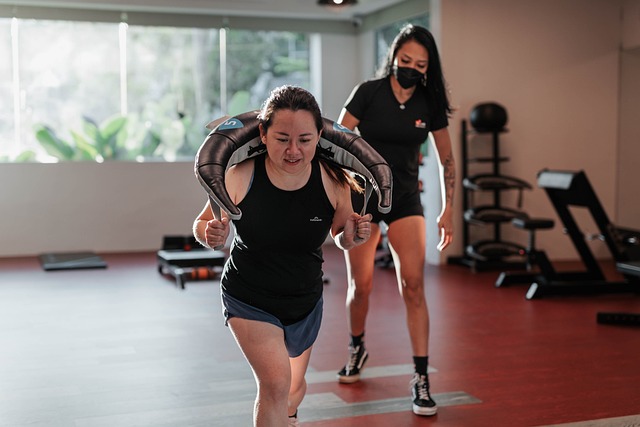

Focus on Strength Training and Cardio

Now let’s talk about the actual exercise. It’s always recommended to focus on strength training and cardio to get that killer body. Strength Training helps give shape and definition to your muscles, while cardio is great for burning calories and keeping your heart rate up. Try to do exercises that target multiple muscle groups at once, like squats, lunges, pull-ups, push-ups, and burpees. While it seems like a lot of work, you can break it up into smaller chunks and make your training more manageable.

exercise

Follow a Structured Exercise Pattern

Speaking of training, make sure to plan when and how often you should exercise. Sticking to a regular fitness routine is key if you want to achieve results in a timely manner. Working out at least three times per week is recommended, with each session lasting at least thirty minutes. There isn’t one set exercise pattern that works for everyone, so experiment a bit and find out what works best for you.

Take Care of Your Mental Health

mentalAside from getting enough rest, you need to listen to your soul and body. Working out can be a great way to de-stress and get your blood flowing. But overdoing it can lead to physical and mental exhaustion, so ensure you’re not pushing yourself too hard. Take some time to relax, meditate, and focus on self-care activities like getting a massage or taking a hot bath – all of which will help you stay motivated and energized to hit the gym.


Spending so much time in a gym isn’t what makes one fit. Fitness is about having a healthy lifestyle, understanding your body’s needs, and listening to what it tells you. With these few tips and tricks in mind, you can easily get the killer body of your dreams. So don’t be afraid to take …

Continue Reading
Health Benefits of Quitting Cocaine

When most people think of the health benefits of quitting cocaine, they think of the immediate physical effects. However, many other benefits come along with quitting cocaine. This blog post will discuss some of the key benefits you can expect to see in your life after quitting cocaine.

Improve Your Mental Health

mental healthOne of the main benefits of quitting cocaine is improved mental health. Cocaine can cause anxiety, paranoia, and other mental health problems. When you quit using cocaine, your mental health will improve. You will feel more relaxed, and your mood will stabilize. Cocaine can also cause sleep problems. When you quit using cocaine, you will be able to sleep better. You will also have more energy and be able to focus better during the day. Various studies have shown that people who quit cocaine have better mental health overall.

If you’re struggling with a cocaine addiction, know that help is available. Many resources can help you quit for good and improve your mental health. You don’t have to struggle with addiction alone. Reach out to a cocaine rehab for help today and start on the road to recovery.

Improve Your Physical Health

physical healthYour physical health improves dramatically when you quit cocaine. Most notably, your cardiovascular system is no longer under constant stress, and your risk of heart attack decreases. Your lungs also begin to function better, and you may even see a decrease in respiratory infections. In addition, quitting cocaine can lead to weight loss and improved energy levels. Although quitting cocaine is not easy, the physical benefits are well worth the effort. Other health benefits of quitting cocaine include reduced risk of getting a stroke, improved fertility, and stronger bones. In addition, your skin will clear up, and you may even see a reduction in wrinkles. Overall, quitting cocaine can lead to a healthier and happier life.


You can talk to your doctor about the best way to quit cocaine and get started on the road to recovery. Many resources are available online and in your community that can help you through the process. Remember, you are not alone in this journey, and there is help available. With determination and support, you can overcome addiction and reclaim your life.

Cocaine addiction can seriously impact your health, finances, career, and relationships. If you’re struggling with cocaine addiction, it’s time to seek help. There are many benefits of quitting cocaine, and treatment can help you overcome your addiction so you can live a healthy, happy life. Don’t wait any longer; get help today. It would be best if you did more online research for additional details on the topic.…

Continue Reading
Consideration When Buying a Weed Vaporizer

If you are looking to buy a vaporisateur weed, it is important to make sure that you take the time and do your research before making a purchase. With so many different options available on the market today, it can be hard to know which one will suit your needs best.

In this article, we will discuss some of the key considerations when buying a weed vaporizer in order for you to make an informed decision.

Consider the Heating Methods

woman vapingWhen choosing a weed vaporizer, the first consideration is whether or not you want it heated by conduction or convection methods. Conduction heats material by passing electricity through it, while convection heats material by circulating hot air over it.


Most vaporizers use conduction heating methods to provide a faster response time and better flavor for dry herb material. Still, there are also convection vapes available if you prefer them over the conduction type. As each type of heating method has its benefits and disadvantage, it is up to you which one you prefer.

Consider Your Budget

You should also think about how much money you are willing to spend on your vaporizer. Vaporizers can cost anywhere from $60 to thousands of dollars, depending on what features you want and need in a vape. If you are looking for something simple that will just get the job done without breaking the bank, start with some models that cost less than $100.

If you are looking for something that will last a long time and is of high quality, then it might be worth spending more money upfront, so you don’t have to keep replacing your vape every few months. There are many retailers selling weed vaporizers that offer discounts on their products, so you should be able to find something that fits your budget.

Consider the Brand

You should ensure that the brand you are buying is reputable. For example, there are fake Storz & Bickel vaporizers in the market that look real but offer sub-par performance and safety standards. You should also check reviews of people who have bought these products to determine if they were satisfied with their purchase or not.

It will be best if you refrain from buying weed vaporizers from brands that are not well established and have a reputation for making poor-quality products. Some brands are new in the market and have been making some good quality products, so you should not write them off. You can also read online ratings regarding a brand’s products to determine if it has a good reputation.

Consider the Size

The last consideration you should make is the size of the vaporizer. You will not want a bulky device that is difficult to use and transport around, especially if you are looking for one to take on trips or outdoors. Some devices can be much smaller than others, so it should also depend on your needs.

For example, some desktop vaporizers offer more features. Still, they cannot fit in …

Continue Reading
Various Benefits of Inpatient Rehab

Alcohol and drug addiction can make your life miserable. There are various ways to deal with substance abuse and addiction. For instance, you can decide to visit an inpatient rehab or outpatient rehab. It is advisable to visit an inpatient rehab facility. This will provide you with safe detox, supportive community. Moreover, a residential Rehab Sydney has a higher success rate than an outpatient one. These are some of the reasons to consider it.

Inpatient Detoxification

woman smokingIf you have abused drugs for many years, the withdrawal process can be unpleasant. Even the detoxing process can be challenging and have many negative effects. Remember that various drugs have serious withdrawal symptoms. For example, drugs such as depression, fatigue, and anxiety are some of the effects. Also, users experience psychosis. At this stage, you will be experiencing delusions and hallucinations. Withdrawal symptoms for opioids include fever, vomiting, and body aches. You should avoid detoxing without proper guidance from a doctor. Unsupervised withdrawal can be dangerous.

High Success Rate

When a patient enrolls in an outpatient facility, he or she gets back home after the treatment session. The patient can easily revert to taking alcohol or drugs. That is because it is challenging to prevent relapse. The good thing about the benefits of residential rehab is that a patient cannot access drugs or alcohol. Also, the detox process is done in a supervised manner. Patients have access to tools and resources that can help them avoid relapse.

Supportive Community

using drugsInpatient rehab can provide you with a supportive community that can help you beat your addiction. There is a need to have a support system that helps you understand the struggles of addiction. Inpatient rehab can provide you with networks and relationships that can offer you friendship, hope, and love. Inpatient rehab provides you with social resources. If you enroll in outpatient rehab, it becomes challenging to form strong relationship bonds. Fortunately, a treatment facility provides adequate resources that can help you transit to normal life. This means you need an aftercare plan that ensures you enjoy sober living. Recovering addicts can get guidance to pursue new employment.


You should note that inpatient rehab is more expensive than an outpatient facility. This is because of the resources, food, and housing provided. However, leaving your addiction untreated is more expensive than seeking treatment. If you struggle with addiction, you have many options to consider.…

Continue Reading
How to Avoid Getting Covid-19 Virus

COVID-19 is a disease caused by coronavirus. COVID-19 is most often spread between people who are in close contact (about 2 meters or 6 feet). When a carrier coughs, sneezes, sings, speaks, or breathes, droplets carrying the virus are released into the air. You can catch the condition if you breathe in these droplets. You can get n95 masks masks from dmb supply for added protection against the coronavirus.

Occasionally, COVID-19 can become airborne and infect people more than one meter away. The tiny droplets and particles can remain airborne from 5 minutes to several hours. This is called an airborne transmission and can occur in enclosed, poorly ventilated spaces.

Social Distancing

Social distancing is one of the ways that everyone can help stop the COVID-19 pandemic. Again, this is a very contagious disease, and we want to make sure that we don’t have an excess of people coming to the hospitals simultaneously. That puts us at risk of running out of supplies.

2m distance contactHealthcare workers want to make sure there is an adequate supply of equipment – such as masks, gowns, and respirators – to treat people who develop acute cases of COVID-19. Having the necessary medical equipment also protects medical personnel from the risk of illness when caring for patients with COVID-19. The goal of interpersonal distancing is to ensure that COVID-19 does not spread rapidly, thereby reducing this pandemic’s threat to all of us.

Wearing a Mask

New evidence suggests that the new coronavirus can spread through the atmosphere. It also appears to be infectious even when individuals show no symptoms indicating infection. N95 masks are the best protection against airborne germs. They are sometimes used by hospital staff around people who may be ill. They are not the same masks that doctors and nurses wear at work. But people can buy cloth masks or make their own. When a sick person wears one, the mask can trap most of their droplets of saliva or nasal mucus. This could prevent the virus from spreading to surfaces that other people might touch.

Hand Washing

hygiene clean soapMany infectious diseases, such as coronavirus, can be transmitted from person to person through infected hands. These include gastrointestinal illnesses, such as salmonella, and respiratory illnesses, such as influenza. Proper handwashing can help prevent the spread of the germs (such as viruses and bacteria) that cause these illnesses.

Some types of respiratory and gastrointestinal infections can lead to severe complications, especially in young children, seniors, or people with underlying health concerns. In this particular epidemic, handwashing remains one of the best ways to protect against this coronavirus’s spread (COVID-19). A study now shows that washing hands for at least 20 seconds with soap and water helps protect against it.

Bottom Line

These three practices will not 100 percent protect you from the virus. Make sure that you are healthy, inside and out. A balanced diet and regular detox can help boost your immune system to fight the virus.…

Continue Reading
Pilates – The Best Strengthening and Modeling Training Exercises

Are you working at a desk in an office with little room to move? Are you looking for exercises that will strengthen and at the same time improve your figure? Try Pilates classes! Complete Health + Osteo offers a personalized program for pilates in Carlton North. Find out what this form of activity is, read about its greatest benefits, and recommendations for starting regular exercise.

 What are Pilates Classes?

The creator of Pilates – Joseph Pilates – aimed to create a set of exercises for athletes and dancers after injuries, thanks to which they could return to regular training without the risk of further injury. However, it quickly became clear that the method he developed was quite versatile, and almost anyone could do the exercises.

The main ideapilates class behind Pilates is a holistic approach to body training. This discipline combines stretching exercises, toning and body strengthening, and strength exercises. You may even notice some influence and inspiration from yoga and ballet when you do specific exercises. The movements performed should be smooth and graceful. Pilates doesn’t practice energetic jumping and a killer pace of exercise. It is the ideal discipline for people who want to do something for their body and spirit.
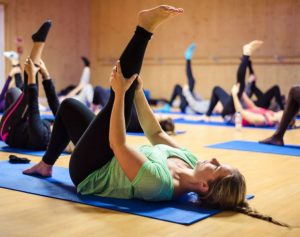
How Does Pilates Affect Your Figure?

By regularly attending Pilates classes, you can strengthen your abdominal muscles, improve your posture, and effectively shape and tone your figure. However, it should be noted that this type of exercise will not help you lose weight quickly and significantly. Of course, this way, you can get a slimmer figure, but simply losing extra pounds is not the primary goal in the case of Pilates exercises.

Who Can Do Pilates?

Pilates is one of the most versatile workouts around. Both the elderly and the very young – regardless of their physical condition, can perform this exercise. There are also no contraindications for people after injuries or those struggling with overweight or spinal diseases. Plus, Pilates is often recommended by professional athletes as a supplement to their workout routine.

However, if youpilates exercise are struggling with health problems or are pregnant, it is worth asking your doctor if this activity is right for you. You may find that some exercises need to be changed. A doctor’s consultation is recommended, especially for cardiovascular diseases, osteoporosis, recovery from fractures or surgery, and early pregnancy (first trimester).

You should look for the right facility or osteopath offering this kind of workouts. This will ensure you do it to perfection and get the most out of it.…

Continue Reading
Back to top