
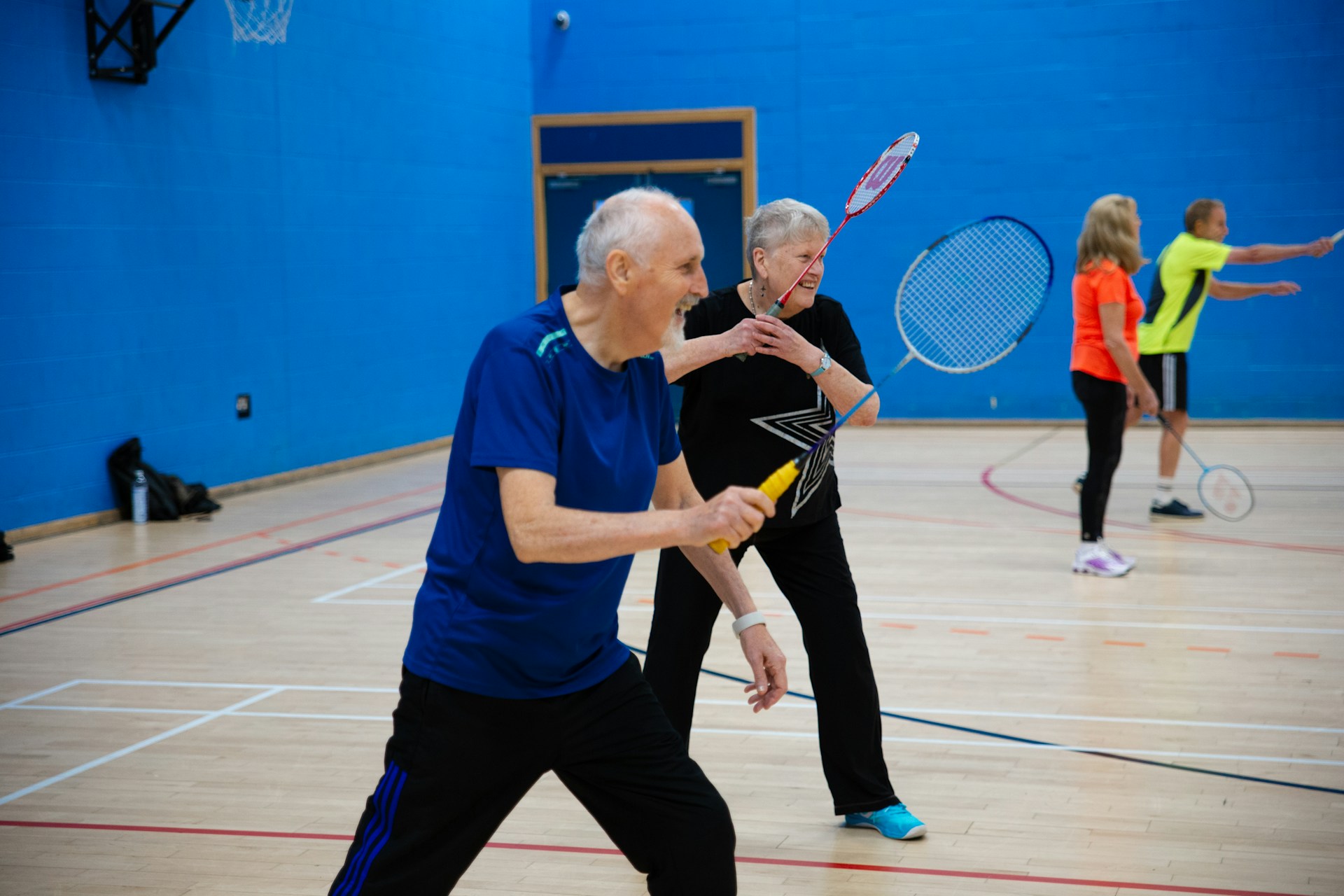
Maintaining physical activity is essential for seniors, but mobility challenges and health limitations can make traditional exercise difficult. Accessibility features in fitness programs, from adaptive equipment to tailored class formats, ensure that all residents can participate safely and effectively. These considerations are especially important in communities offering single-occupancy senior housing arrangements, where residents may have unique needs and require individualized support. By integrating accessibility into fitness routines, facilities promote independence, confidence, and overall wellbeing. Understanding the role of these features highlights how thoughtful design and programming can encourage consistent activity, helping seniors maintain strength, flexibility, and quality of life well into their later years.
Supporting Safe and Confident Movement
Accessibility features help seniors move with confidence instead of caution. Handrails, non-slip flooring, and stable seating reduce fear of falling, which is one of the biggest obstacles to participation. When safety is built into the environment, seniors are more willing to try new movements and maintain proper form. Clear visual markers and spacious layouts also help reduce disorientation. These details may seem small, but they create a sense of control. Feeling steady encourages regular participation, and regular involvement leads to better strength, balance, and overall mobility over time.
Improving Participation Through Inclusive Design
Accessibility features also influence participation by making fitness spaces feel welcoming rather than intimidating. Clear signage, wide walkways, and logical layouts reduce confusion and stress. Visual and auditory cues help guide movement sessions smoothly. Group classes benefit from inclusive design because participants can follow along without feeling singled out. When environments support different abilities equally, seniors feel more comfortable joining and returning. Inclusion encourages consistency, which matters more than occasional effort. A well-designed space communicates that fitness is for everyone, regardless of age or mobility level.
Adapting Equipment to Physical Limitations
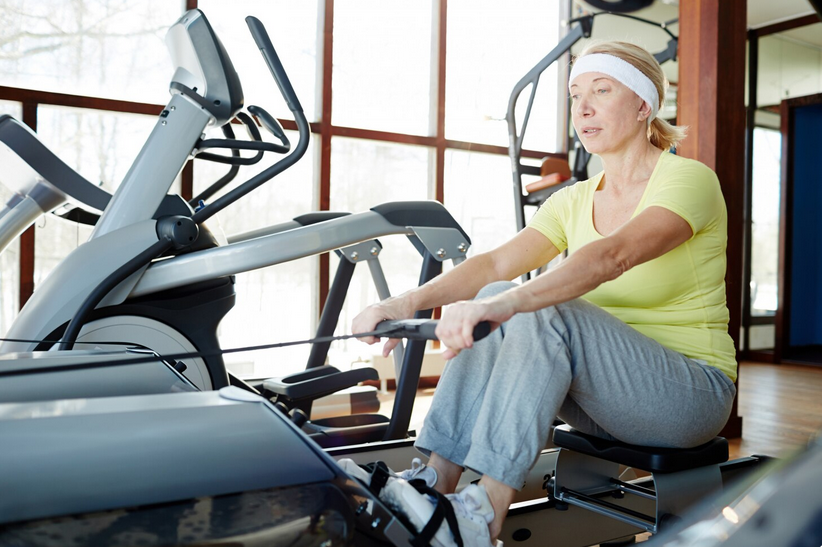
Fitness equipment designed with accessibility in mind allows seniors to exercise without unnecessary strain. Adjustable resistance levels, supportive backrests, and easy grip handles accommodate different strength and joint ranges. Seated exercise options help those with limited standing endurance remain active. Simple-to-use equipment reduces frustration and builds confidence. When seniors can adjust intensity comfortably, they stay engaged longer and avoid overexertion. Adapted equipment respects physical limits while still encouraging progress. That balance helps seniors focus on movement quality rather than worrying about discomfort or injury.
Accessibility features are not optional extras in senior fitness. They are essential tools that support safety, confidence, and long-term participation. By reducing physical and mental barriers, these features feel achievable and enjoyable. Seniors benefit from equipment and spaces that adapt to their needs rather than forcing them to adapt to rigid setups. When accessibility is prioritized, fitness becomes part of daily life instead of a challenge to overcome. This approach supports healthier aging by encouraging consistent movement, stronger independence, and a more positive relationship with physical activity.