

The body speaks long before a doctor’s diagnosis does. Small details, such as the color of your eyes, the texture of your tongue, or even the smell of your breath, can uncover what’s happening beneath the surface. While these signs don’t replace professional care, they serve as valuable clues that something might be off. Creating a supportive daily environment, like getting proper rest with adjustable bed options for seniors that promote better comfort and circulation, can make early wellness efforts even more effective. Learning to notice these subtle changes can help you respond early and support your health before problems grow more serious.
Knowing What the Eyes Can Reveal
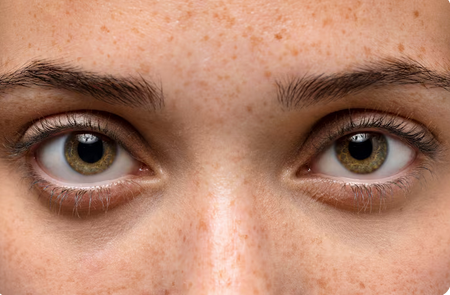
Your eyes are more than a window to your emotions. They reflect internal health conditions, too. Changes in color, clarity, or the white part of the eye can signal issues worth attention. Yellowing, for instance, may point to liver stress or jaundice. Red or irritated eyes could be linked to allergies, infections, or eye strain. Blurred vision might relate to blood sugar changes. Even dark circles under the eyes can suggest fatigue, dehydration, or poor sleep. Paying attention to how your eyes look and feel each day helps you detect early warnings your body sends.
Understanding Tongue Health
Your tongue is another visible indicator of your overall wellness. A healthy tongue is pink, slightly moist, and covered with small bumps known as papillae. When it changes color or texture, your body may be signaling a deeper concern. A white coating might indicate a yeast infection or dehydration. A smooth, shiny tongue can suggest a vitamin deficiency. Cracks or deep grooves may point to digestive imbalances. If your tongue looks different for more than a few days, it could be a sign that your system is struggling with something more significant. Observing it regularly can help ensure balance is maintained.
Decoding What Your Breath Tells You
Your breath offers clear messages about your internal health. Occasional bad breath is normal, but persistent odor can mean more than poor oral hygiene. A fruity or sweet smell sometimes appears when blood sugar levels are high, while a metallic taste or ammonia-like scent may relate to kidney concerns. Even digestive problems can alter how your breath smells. Dry mouth, throat infections, and certain medications can also affect it. Keeping your breath fresh involves more than brushing. It requires addressing the root cause. By noticing these changes early, you can take timely steps toward better health.
Recognizing Early Pattern
The key to understanding your body’s signals is consistency in observation. Many small changes mean little on their own, but patterns reveal insight. If your eyes frequently appear red or your tongue always feels dry, something might need attention. Recording what you notice, like the time of day symptoms appear or what triggers them, helps connect the dots. Early recognition allows you to make small adjustments, such as improving hydration or nutrition, before a condition worsens. Awareness is the first step toward prevention.
Supporting Your Body Through Lifestyle Choices

Healthy habits strengthen your body’s natural balance and make irregular signs less likely to appear. Staying hydrated keeps your eyes and tongue from drying out. Eating nutrient-rich foods supports organ function, which reflects outwardly. Managing stress protects both physical and mental health, while proper sleep gives your body time to repair itself. Simple daily choices create a stable foundation. A unique routine that combines movement, balanced meals, and calm reflection can help your body function at its best.
When to Seek Professional Help
Although these signs can help you identify potential issues, they are not replacements for medical evaluation. If symptoms persist or worsen, seeking expert advice is essential. Eye changes lasting longer than a week, ongoing discoloration of the tongue, or breath that doesn’t improve despite good hygiene all deserve attention. A healthcare professional can conduct tests to determine what’s really going on. Self-awareness is powerful, but combining it with professional care ensures you make informed decisions about your health.
The body’s signals are subtle but consistent. Training yourself to notice small shifts in your eyes, tongue, and breath gives you an advantage in maintaining good health. This daily awareness doesn’t require medical training. It just calls for mindfulness. With observation and care, you’ll learn what’s normal for you and spot differences quickly. True wellness begins with listening to your body and respecting its messages. By paying attention to these visible and sensory clues, you protect your health with the utmost care and intention.