

When facing addiction—whether personally or with someone close to you—it’s easy to feel overwhelmed by the many treatment options available. Choosing the right type of addiction treatment center can make all the difference in recovery, but it’s not always clear where to begin. The good news? There are several effective paths, each tailored to different needs, lifestyles, and stages of recovery. This guide breaks down the main types of treatment centers to help you or your loved one find the best fit.
Inpatient Rehab Centers
Inpatient rehab centers, also known as residential treatment programs, offer the most structured and immersive form of addiction care. These facilities provide 24/7 supervision, medical support, and intensive therapy in a distraction-free environment. This is often the best option for individuals with severe addiction or those who’ve relapsed multiple times. Many families searching for comprehensive programs start by looking into resources like Alcohol & Drug Rehabs: Detox & Addiction Treatment Centers Near Me In New York, which can help connect them to reputable inpatient options within their area.
Outpatient Treatment Programs
 Outpatient programs are ideal for those who need flexibility or have already completed an inpatient stay but still require continued care. With outpatient treatment, individuals attend scheduled therapy sessions, group counseling, or medication management while continuing to live at home. These programs vary in intensity—from standard weekly visits to more rigorous daily sessions known as intensive outpatient programs (IOPs). Outpatient care is often a more affordable and accessible choice, especially for people balancing work or family responsibilities.
Sober Living Homes
Sober living homes are a great bridge between rehab and everyday life. These are structured, substance-free living environments where residents can rebuild their routines with support from peers. While not formal treatment centers, sober homes are often a key component in the recovery journey. They provide accountability, routine, and a sense of community—especially valuable for individuals who aren’t quite ready to return home or who want to avoid triggers in their usual environment. Many also require attendance at outpatient therapy or 12-step meetings as a condition of residency.
Detox Centers
 Before any long-term treatment begins, many people need to undergo medical detox, especially if they’re dependent on substances like alcohol, opioids, or benzodiazepines. Detox centers specialize in safely managing withdrawal symptoms and monitoring the individual’s physical and mental state during the early stages of sobriety. While detox doesn’t replace rehab, it’s a critical first step that helps prepare the body and mind for further recovery. These centers often work in conjunction with inpatient or outpatient programs to ensure a seamless transition into continued care.
Specialty and Holistic Treatment Centers
Some individuals benefit from programs that offer unique approaches or target specific groups. These might include gender-specific rehabs, faith-based centers, LGBTQ+ programs, or facilities that focus on co-occurring disorders like depression or PTSD alongside addiction. Holistic treatment centers might also offer non-traditional therapies such as yoga, meditation, art therapy, or nutritional counseling. These programs appeal to people looking for more personalized or alternative approaches …
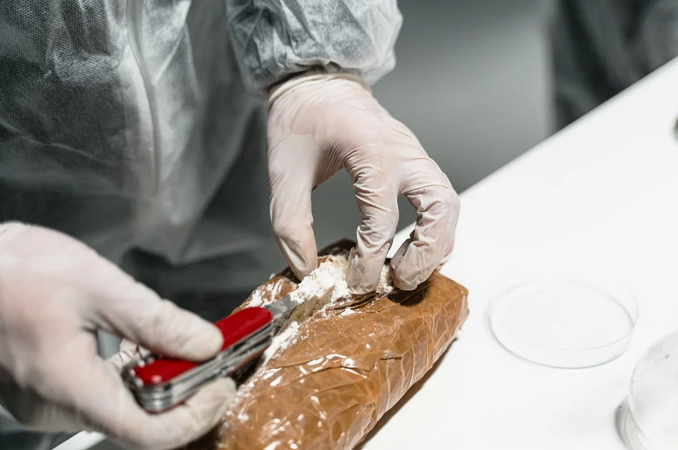
 One of the main benefits of quitting cocaine is improved mental health. Cocaine can cause anxiety, paranoia, and other mental health problems. When you quit using cocaine, your mental health will improve. You will feel more relaxed, and your mood will stabilize. Cocaine can also cause sleep problems. When you quit using cocaine, you will be able to sleep better. You will also have more energy and be able to focus better during the day. Various studies have shown that people who quit cocaine have better mental health overall.
 Your physical health improves dramatically when you quit cocaine. Most notably, your cardiovascular system is no longer under constant stress, and your risk of heart attack decreases. Your lungs also begin to function better, and you may even see a decrease in respiratory infections. In addition, quitting cocaine can lead to weight loss and improved energy levels. Although quitting cocaine is not easy, the physical benefits are well worth the effort. Other health benefits of quitting cocaine include reduced risk of getting a stroke, improved fertility, and stronger bones. In addition, your skin will clear up, and you may even see a reduction in wrinkles. Overall, quitting cocaine can lead to a healthier and happier life.
 If you have abused drugs for many years, the withdrawal process can be unpleasant. Even the detoxing process can be challenging and have many negative effects. Remember that various drugs have serious withdrawal symptoms. For example, drugs such as depression, fatigue, and anxiety are some of the effects. Also, users experience psychosis. At this stage, you will be experiencing delusions and hallucinations. Withdrawal symptoms for opioids include fever, vomiting, and body aches. You should avoid detoxing without proper guidance from a doctor. Unsupervised withdrawal can be dangerous.
 Inpatient rehab can provide you with a supportive community that can help you beat your addiction. There is a need to have a support system that helps you understand the struggles of addiction. Inpatient rehab can provide you with networks and relationships that can offer you friendship, hope, and love. Inpatient rehab provides you with social resources. If you enroll in outpatient rehab, it becomes challenging to form strong relationship bonds. Fortunately, a treatment facility provides adequate resources that can help you transit to normal life. This means you need an aftercare plan that ensures you enjoy sober living. Recovering addicts can get guidance to pursue new employment.