
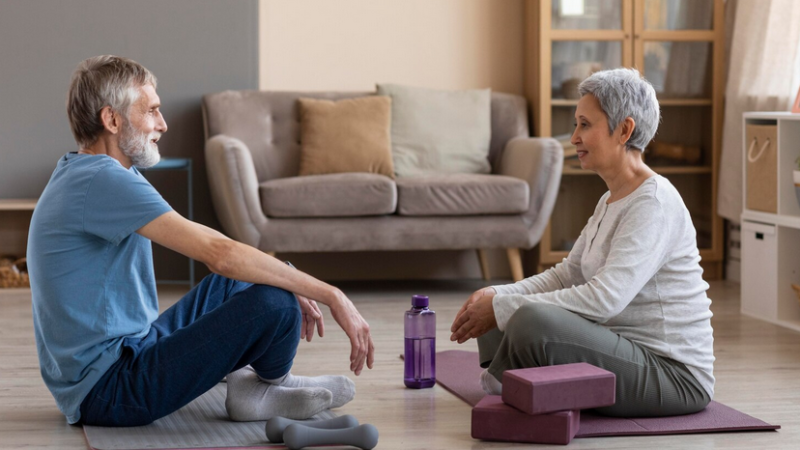
Retirement marks a major life transition, and for many people, it’s a chance to slow down, refocus on health, and enjoy the comfort of familiar routines. Where you choose to spend these years matters more than you might think. Aging in place—remaining in your own home as you grow older—has become an increasingly popular option for retirees who value independence, stability, and quality of life. With the right mindset and preparation, home can be the foundation for a healthier, happier retirement.
Staying Put, Staying Well
 Many retirees discover why remaining in a familiar environment can have a powerful effect on both physical and emotional health. Living at home means fewer disruptions to daily habits, which supports better sleep, consistent nutrition, and regular movement. Familiar surroundings also reduce stress and anxiety, making it easier to focus on wellness rather than constant adjustment. This sense of ease often translates into better long-term health outcomes.
Emotional Comfort and Mental Health
Home is more than just a building; it’s a collection of memories, routines, and personal touches that provide emotional grounding. Aging in place allows retirees to stay connected to the spaces where life happened, which can be deeply comforting. This emotional stability supports mental health by reducing feelings of loneliness, depression, and disorientation. Being surrounded by familiar sights and sounds can help maintain cognitive function and a positive outlook on life.
Independence Builds Confidence
One of the biggest advantages of aging in place is the ability to remain in control of daily life. Choosing when to wake up, what to eat, and how to spend the day reinforces a sense of independence that’s vital for self-esteem. This autonomy encourages retirees to stay active and engaged, both physically and socially. Even small decisions, when made independently, contribute to a stronger sense of purpose and confidence.
A Home Designed for Changing Needs
Aging in place doesn’t mean ignoring the realities of getting older. Instead, it’s about adapting the home to support long-term comfort and safety. Simple changes like improved lighting, safer flooring, or accessible layouts can make a big difference over time. These thoughtful adjustments allow retirees to continue using their space comfortably, reducing the risk of injury and making daily activities easier and more enjoyable.
Community Connections Matter
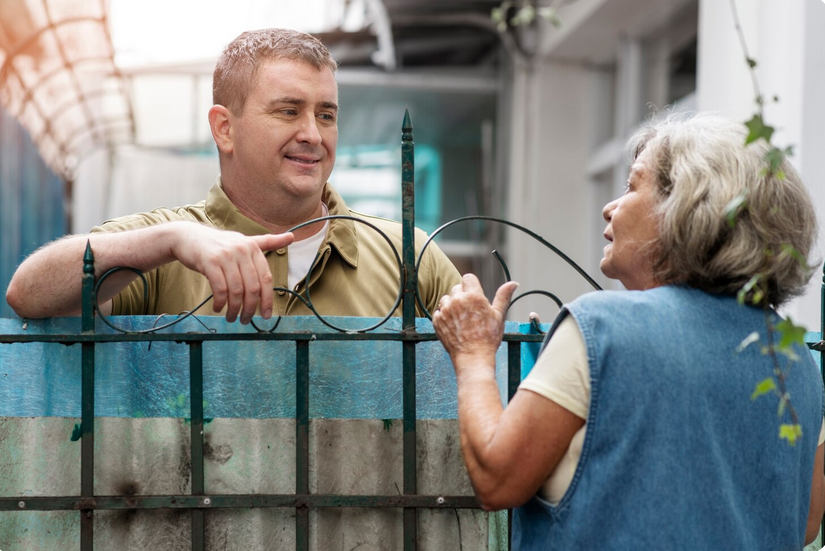
Staying at home often means staying connected to a familiar community. Neighbors, local shops, and nearby parks create a social network that supports well-being. These everyday interactions help retirees remain socially active without the pressure of building entirely new relationships. A strong sense of community encourages movement, conversation, and participation, all of which play an important role in healthy aging.
Supporting Physical Health at Home
Aging in place can naturally encourage healthier routines. Home-cooked meals are easier to manage, daily walks feel safer on known streets, and regular schedules become second nature. Being at home also makes it simpler to manage medical appointments, medications, and wellness practices. Over time, these consistent habits support better mobility, heart health, and overall physical resilience.
Healthy retirement doesn’t require a …