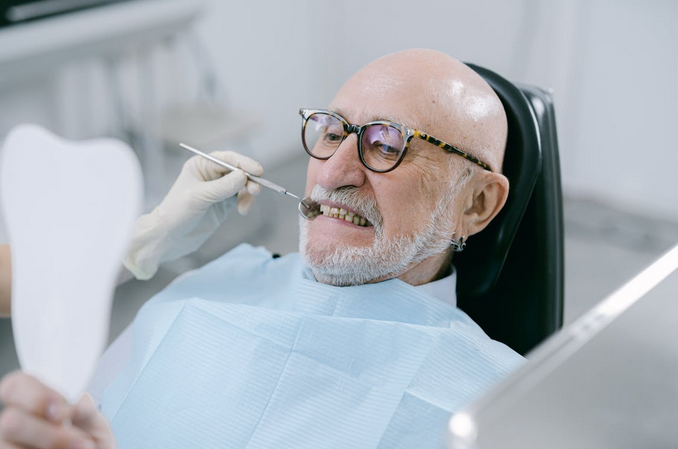
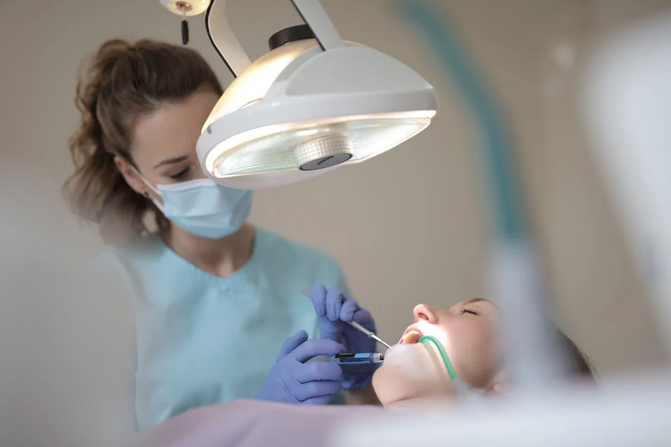
A comprehensive dental examination is more than a quick look at your teeth and a polite reminder to floss. ClearWave Dental & Aesthetics looks at it as a detailed assessment designed to catch problems early, track changes over time, and protect long-term oral health. Many issues, such as decay, gum disease, or bite problems, develop quietly before pain shows up. This type of exam creates a full picture of what is happening in your mouth, not just what is visible at a glance. Knowing what to expect can make the appointment feel more comfortable and less mysterious, especially for patients who have not had a thorough dental check-up in a while.
Review of Dental and Medical History
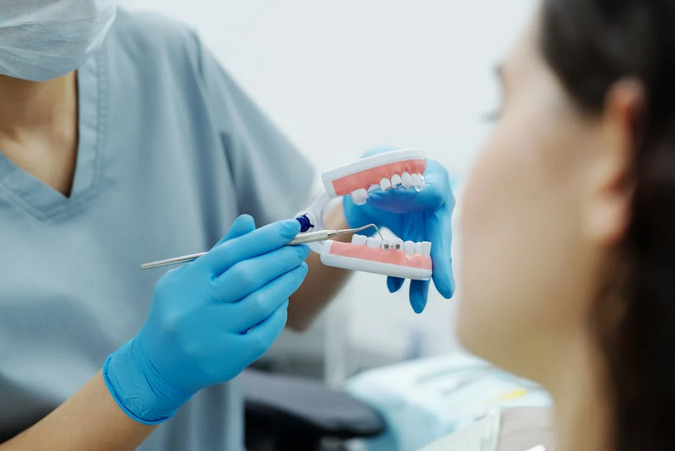
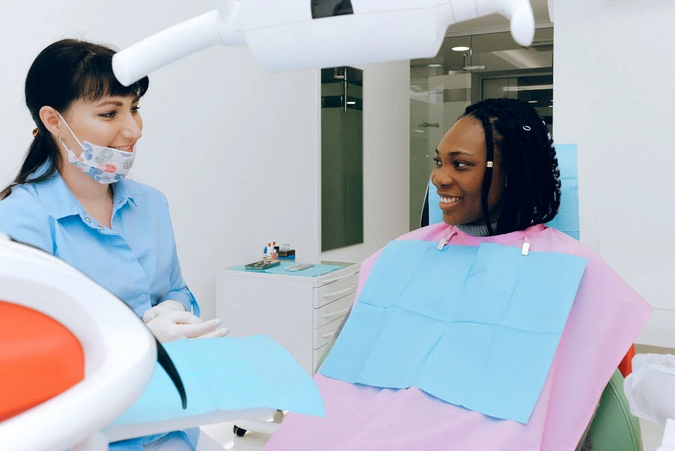
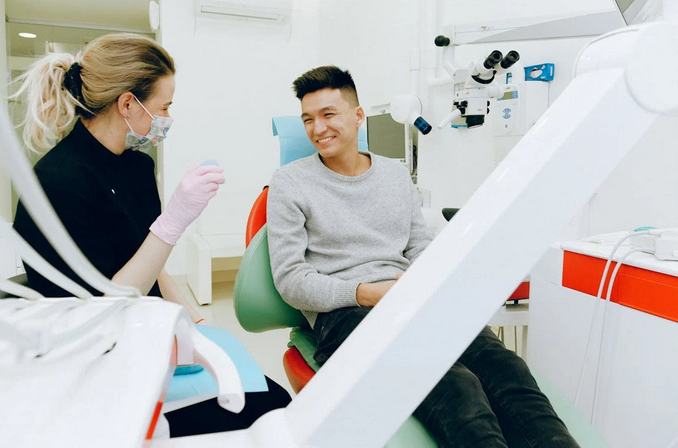
The examination usually begins with a review of your dental and medical history. Your dentist asks about past procedures, current symptoms, medications, and lifestyle habits that may affect oral health. This step matters because conditions like diabetes, stress, or certain medications can influence gum health and healing. Changes since your last visit are noted so trends can be tracked over time. Even small details, such as jaw discomfort or sensitivity, help guide the rest of the exam. This conversation sets the context and ensures that findings are interpreted accurately rather than in isolation.
Visual Examination of Teeth and Gums
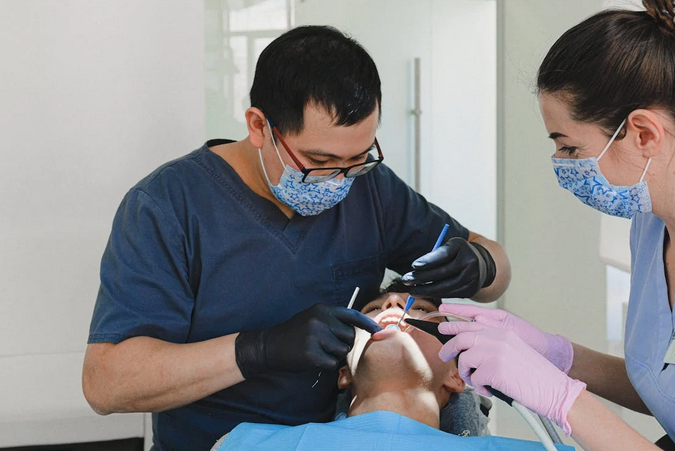
Next comes a detailed visual inspection of the teeth, gums, and surrounding tissues. The dentist checks for cavities, worn enamel, cracks, and signs of gum inflammation or recession. Gum pockets may be measured to assess gum health and detect early periodontal issues. The tongue, cheeks, and palate are also examined for unusual changes. This part of the exam focuses on early detection, since many dental problems are easier to manage when caught early. A careful visual check often reveals subtle warning signs that patients may not notice on their own.
Diagnostic Imaging and Bite Assessment
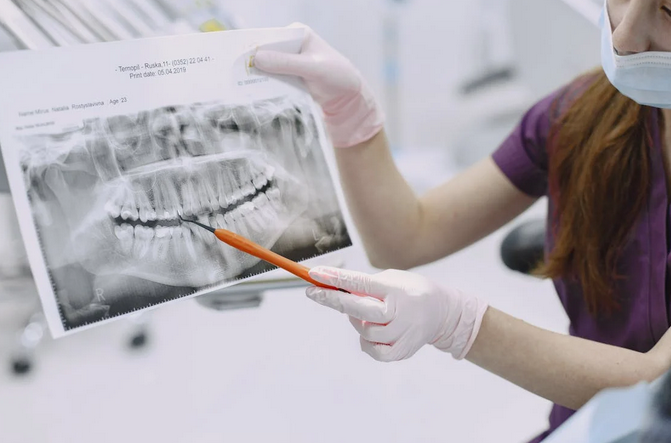 X-rays are commonly taken during a comprehensive exam to reveal issues hidden below the surface. These images help identify decay between teeth, bone loss, impacted teeth, or infections near the roots. Additionally, the dentist assesses how your teeth come together when you bite. Bite alignment affects chewing comfort and long-term tooth wear. Signs of grinding or jaw strain may also be noted. By combining imaging with bite analysis, dentists gain insight into both current problems and potential future risks that may need monitoring or treatment.
A comprehensive dental examination is a layered process that blends conversation, observation, and diagnostic tools. Each step builds on the last to form a clear understanding of your oral health. Rather than focusing on a single issue, the exam looks at patterns, risks, and changes over time. This approach enables dentists to recommend care that is proactive rather than reactive. For patients, knowing what happens during the exam removes uncertainty and encourages regular visits. Consistent comprehensive exams support healthier teeth, stronger gums, and fewer surprises down the road.…