
Mental wellness in later years involves more than avoiding stress—it’s about actively supporting the mind and emotions. Seniors in partnerships benefit when they nurture both cognitive and emotional health. Resources highlighting positive aspects of love in later years show how companionship can strengthen mood, focus, and resilience. A few mindful practices make daily life more satisfying and maintain mental clarity. Lighthearted competition, laughter, and shared purpose all contribute to sharper thinking. Couples who engage with each other regularly tend to stay alert and happier. Emotional connection and mental exercise are surprisingly intertwined.
Engage in Daily Cognitive Activities Together
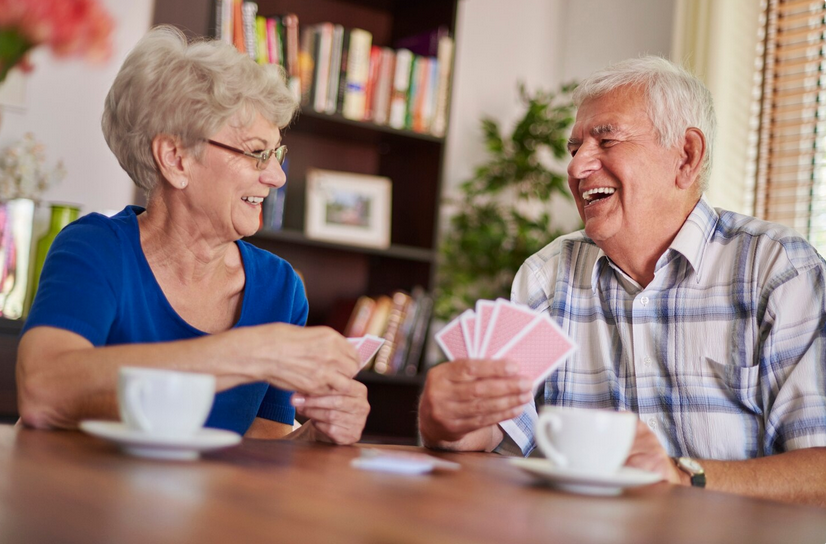 Mental stimulation is critical for seniors aiming to stay sharp. Simple activities like puzzles, card games, or reading aloud create a fun yet effective workout for the brain. Doing them as a pair encourages focus and cooperative thinking. Regular mental exercise helps maintain memory, attention, and problem-solving abilities. Consistency matters more than intensity. Ten minutes of joint brain activity each day can have noticeable benefits over time. Discussing solutions or sharing strategies adds an extra layer of engagement. This simple habit keeps the mind active and the connection strong.
Practice Mindfulness and Stress Reduction Techniques
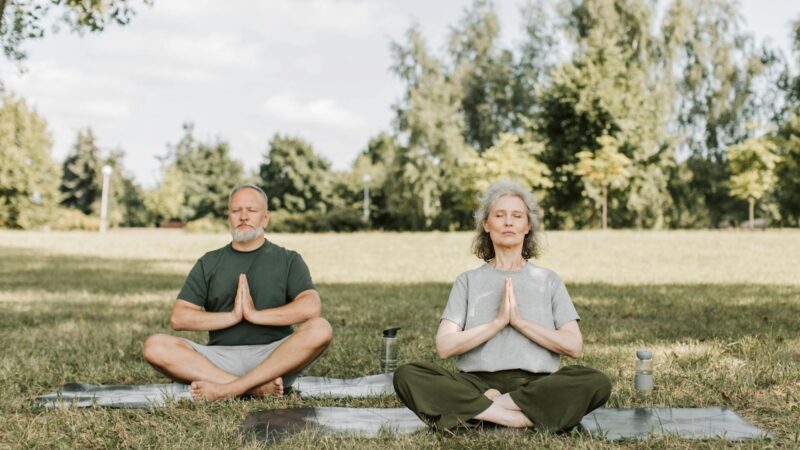
Stress can dull mental function and negatively affect mood. Couples who meditate together, practice deep breathing, or engage in gentle yoga can maintain emotional balance. Even short, consistent sessions help regulate stress hormones. This improves both mental clarity and emotional stability. Mindfulness also encourages awareness of each other’s feelings. Recognizing small shifts in mood can prevent conflicts and reduce tension. Simple relaxation exercises become bonding moments as well as wellness practices. Calm, shared routines strengthen both mind and partnership.
Maintain Physical Activity as a Shared Goal
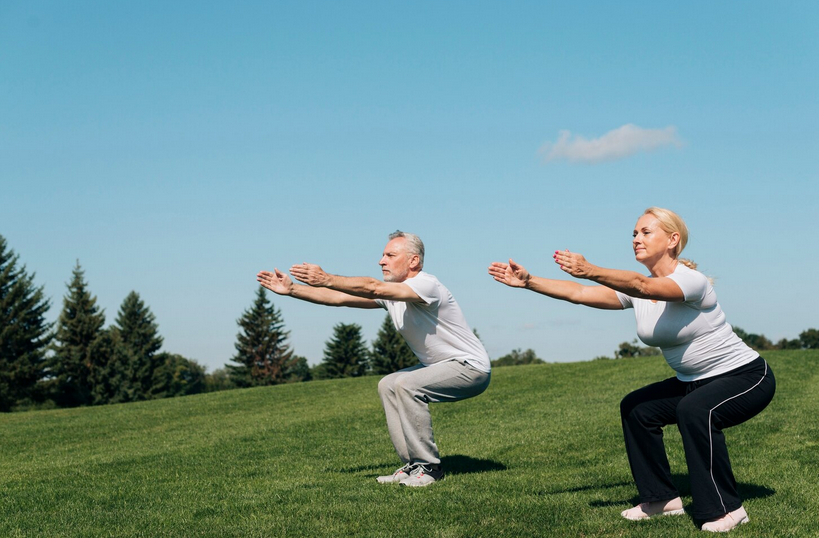
Physical exercise has direct benefits for mental health, including memory and cognitive speed. Walking, swimming, or gentle stretching together promotes cardiovascular health and releases feel-good endorphins. A joint routine helps accountability and motivation. Regular movement reduces fatigue and improves sleep, supporting sharper thinking. Exercise also encourages social interaction beyond the couple. Engaging with groups or classes adds novelty and variety. This prevents stagnation and keeps seniors mentally agile. Movement plus interaction equals a double boost for mental wellness.
Foster Emotional Connection and Communication
Open communication prevents misunderstandings and enhances emotional satisfaction. Couples should check in daily, sharing thoughts, concerns, or small joys. Feeling heard strengthens trust and mental comfort. Emotional security supports clarity of thought and reduces anxiety. Expressing appreciation and affection matters too. Simple gestures, compliments, or acts of kindness trigger positive emotions. These actions release chemicals that support cognitive function and mood. Emotional connection is a potent tool for mental resilience in older age.
Cultivate Shared Purpose and Meaning
 Having goals or projects together fosters motivation and engagement. Gardening, volunteering, or creative hobbies offer a sense of accomplishment. Shared purpose promotes mental activity and emotional fulfillment. Seniors who work toward mutual interests report higher happiness levels and sharper cognition. Purpose-driven activities also encourage learning and adaptation. Trying new skills challenges the brain and reinforces problem-solving abilities. This continuous engagement …