

Running is more than putting one foot in front of the other. Trail running and road running offer very different experiences, both mentally and physically. Your choice affects not just your stamina, but your muscles, joints, and even your mindset. Some runners thrive on structured paths, while others crave the unpredictability of nature. Picking the right type can prevent injuries and boost motivation. Both styles build endurance, but each challenges the body differently. The key is knowing what you value most in a workout. If you want to enjoy both options fully, you should check this guide to a better running experience.
Trail Running: Adventure in Every Step
Trail running takes you off the asphalt and into natural terrain. Uneven surfaces and obstacles engage stabilizing muscles that road running often neglects. Every step requires attention, improving agility and balance. Your brain works as hard as your legs here. Scenic views, fresh air, and quieter surroundings make it a mental recharge. The terrain can slow you down, but it’s worth it for the variety and challenge. Hiking poles or hydration packs may become useful companions. Trail running demands preparation, but the payoff is rewarding.
Road Running: Smooth and Structured
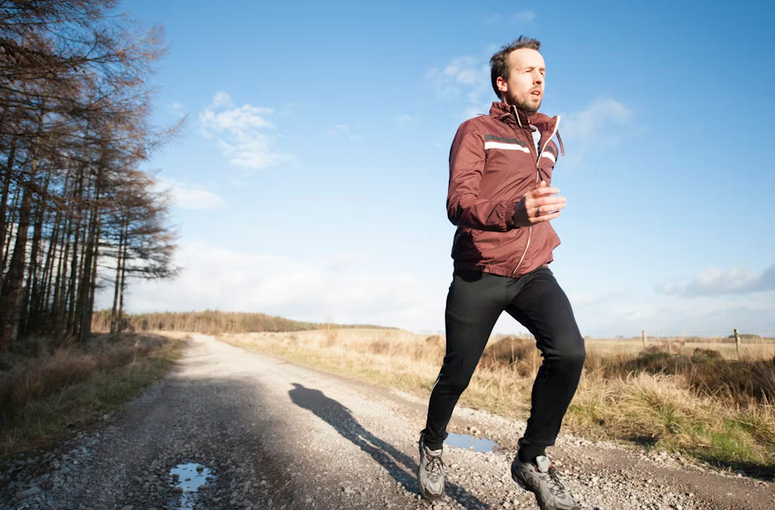
Road running provides a predictable, controlled environment. Paved paths reduce ankle twists and allow for consistent pacing. Many runners prefer this for speed work or marathon training. You can easily track distance, time, and heart rate on flat terrain. It also offers convenience and accessibility. Most cities and towns provide sidewalks or running tracks nearby. Road running allows more frequent sessions without driving to trails. For beginners or goal-oriented athletes, the simplicity is appealing.
The Role of Travel Shoes in Your Runs
Shoes are the foundation of any running adventure. Trail shoes have rugged soles for traction and ankle support, while road shoes emphasize cushioning and forward motion. Choosing the right pair prevents blisters and joint pain. Your feet can dictate how enjoyable or painful a run becomes. Consider versatility if you run both surfaces. Some hybrid shoes bridge the gap between trails and roads. Test shoes for comfort, grip, and weight before committing. A solid shoe choice supports consistency and keeps injuries at bay.
Cross-Training and Recovery Tips

Regardless of your path, strength and recovery are essential. Core and leg exercises reduce strain and improve efficiency. Stretching and foam rolling prevent tightness from uneven or repetitive surfaces. Hydration and nutrition fuel your body for consistent performance. Rest days matter as much as run days. Active recovery, like swimming or cycling, aids circulation and prevents fatigue. Sleep plays a role in repairing muscles and maintaining motivation. Treat your body as an investment—it pays dividends in performance and longevity.
Trail and road running each offer benefits depending on your goals, environment, and preferences. Trail running boosts balance and keeps the mind alert, while road running develops speed and endurance. Shoes, recovery, and proper technique are vital no matter which route you choose. Aligning your runs with your lifestyle ensures consistency, enjoyment, and long-term …