
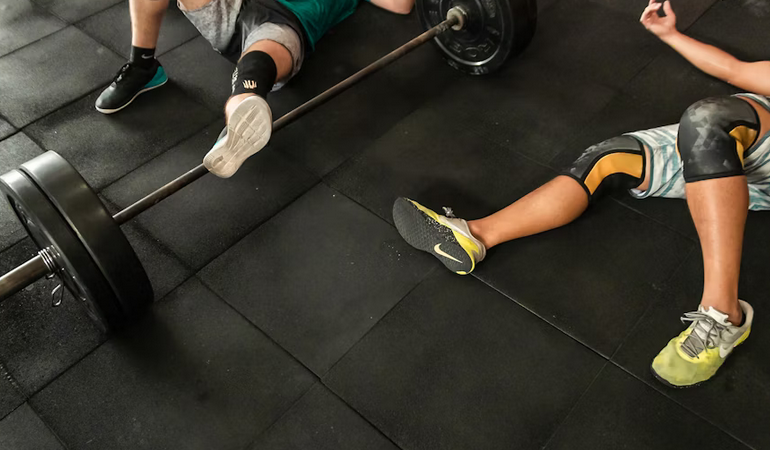
Weightlifting is not only for the young or athletic. Seniors gain tremendous benefits from adding strength training to their routines. Stronger muscles support daily activities like walking, carrying groceries, and climbing stairs. They also help maintain balance, reducing the risk of falls. For many older adults, lifting weights is the key to staying independent longer. For more information, click https://whentheygetolder.co.uk/health/staying-fit/exercise/safe-weightlifting-for-seniors/.
Start With Medical Clearance
Before beginning any exercise program, seniors should consult a doctor. This is especially important if there are existing conditions such as arthritis, heart disease, or diabetes. Medical guidance helps ensure the exercises chosen are safe. A health professional may also recommend limits on certain movements or provide referrals to physical therapists for extra support.
Focus on Proper Technique First

Lifting weights safely depends more on technique than on how much weight is used. Seniors should learn the correct form before attempting heavier loads. This prevents stress on the joints and reduces the chance of injury. Watching a trainer demonstrate movements or using mirrors for feedback can be helpful. Taking time to practice form builds confidence and sets a solid foundation.
Choose the Right Equipment
Not all equipment works for every senior. Dumbbells, resistance bands, and weight machines each offer different benefits. Resistance bands are gentle and flexible, making them ideal for beginners. Dumbbells allow for natural movements that mimic daily tasks. Machines add extra stability and control. Selecting the right tools makes weightlifting safer and more effective. For those with limited mobility, seated exercises provide a safe entry point.
Pay Attention to Breathing and Rest
Breathing correctly while lifting plays a critical role in safety. Holding the breath can raise blood pressure and cause dizziness. Seniors should exhale during the effort phase and inhale while lowering the weight. Rest is equally important. Skipping rest days can lead to fatigue and injury. Balancing effort with recovery ensures long-term success.
Start Light and Progress Gradually
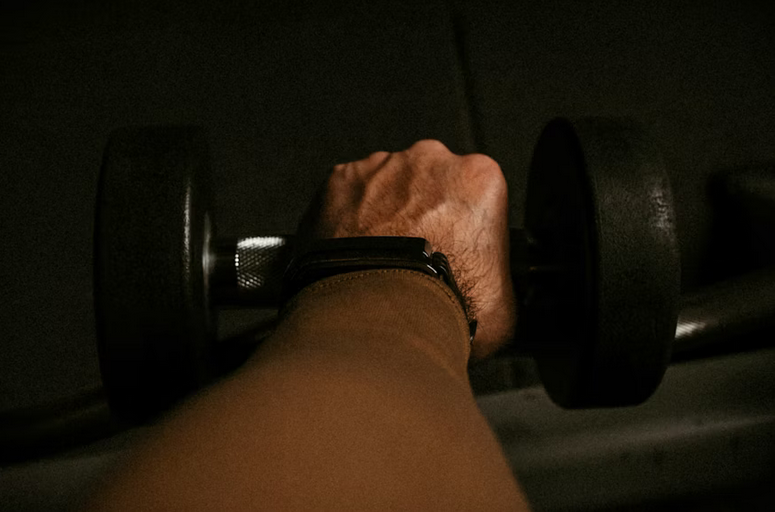
The body adapts to strength training over time, not overnight. Seniors should begin with light resistance, even if it feels easy. This gradual approach gives muscles, joints, and ligaments time to adjust. Adding small increases in weight or repetitions every few weeks creates steady progress without unnecessary strain. The goal is improvement, not rushing, with patience, strength, and endurance built in a sustainable way.
Listen to the Body’s Signals
Not every ache is normal. Sharp pain, joint discomfort, or unusual fatigue should not be ignored. Seniors should pause and reassess when something feels wrong. Adjusting form, lowering weight, or taking extra rest often resolves minor issues. Persistent pain is a sign to consult a healthcare provider. Listening carefully to the body’s signals is the utmost way to protect health while training.
Consistency matters more than intensity. A routine that fits into daily life encourages seniors to stay committed. Training two to three times per week is often enough to see improvements. Pairing weightlifting with walking, stretching, or light cardio keeps the body balanced. A plan that feels manageable is more likely to …